Skip to content

Posts from the ‘From the Classroom’ Category

The Color Conversation: A Classroom Strategy That Actually Gets Teens Talking

How do you get high schoolers to open up and share something real? If your students are anything like mine, they tend to deflect, joke, or suddenly become very interested in the ceiling when itโ€™s time to make personal connections to literature.

So earlier this week, I tricked themโ€”gentlyโ€”into opening up with a โ€œcolor conversation.โ€

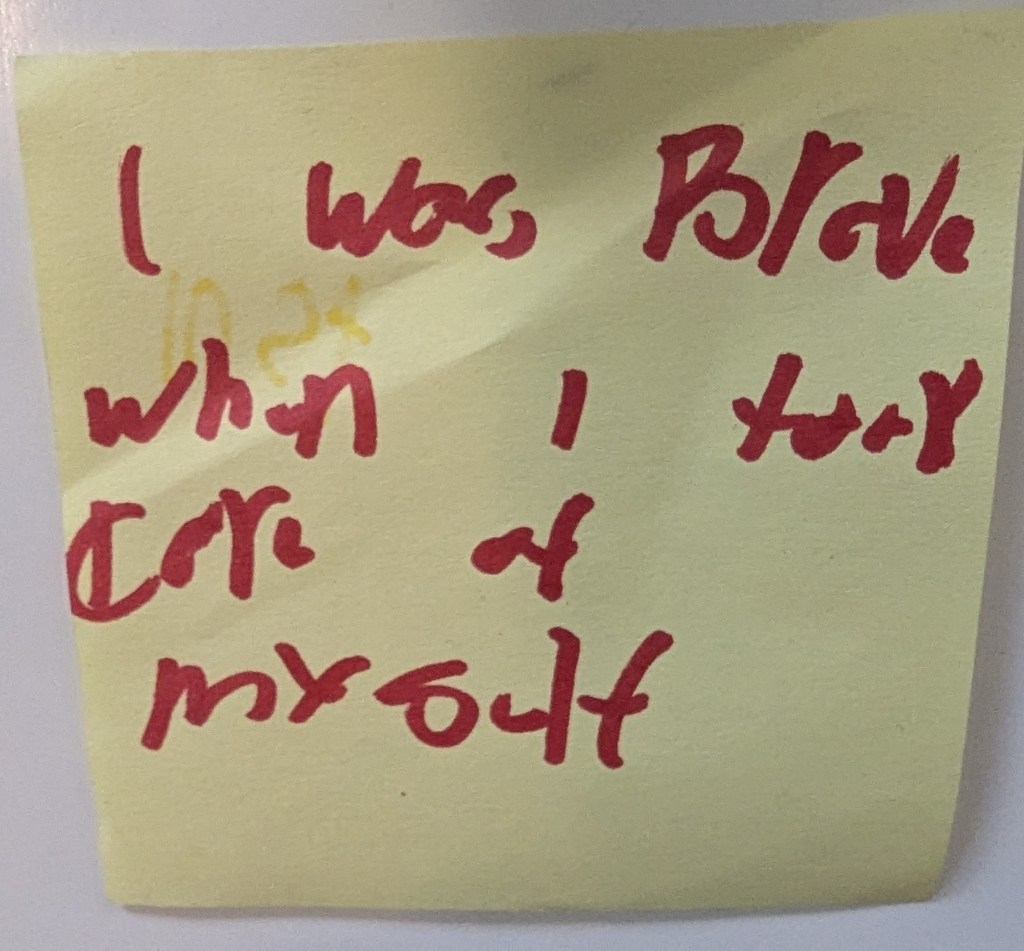
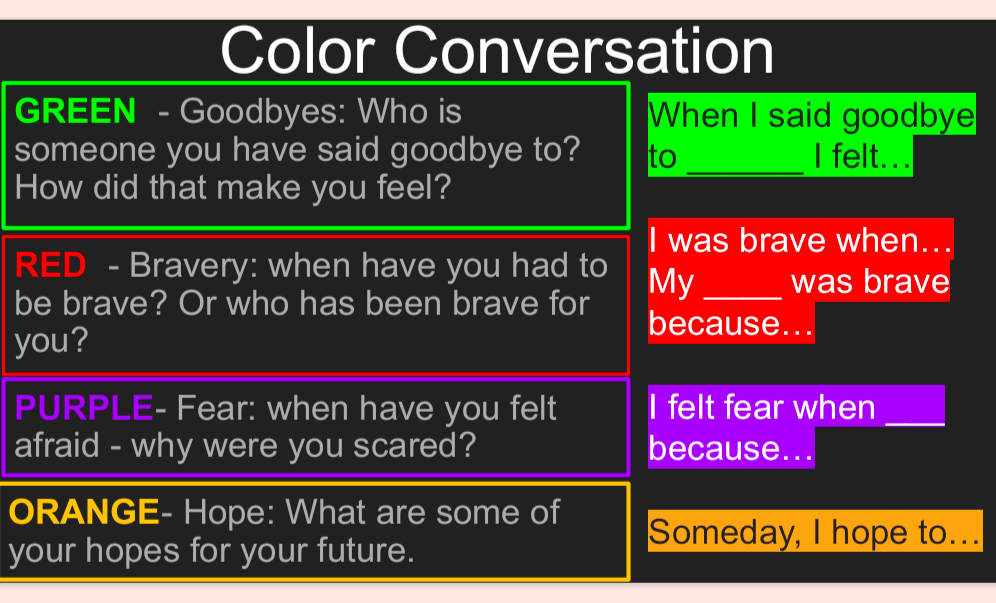
The setup was simple: a pile of sticky notes and a handful of colored Sharpies. Before showing the prompts, I told students to grab one marker. Then I revealed the color-coded questions:

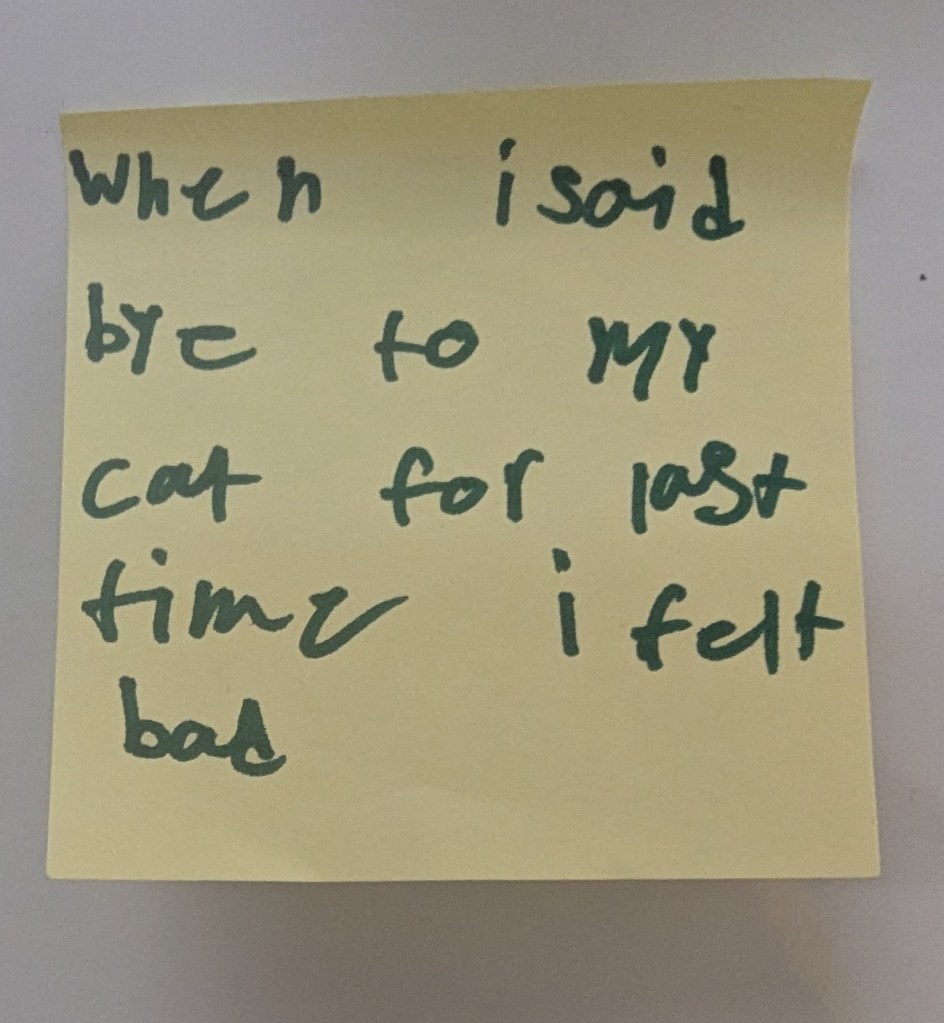
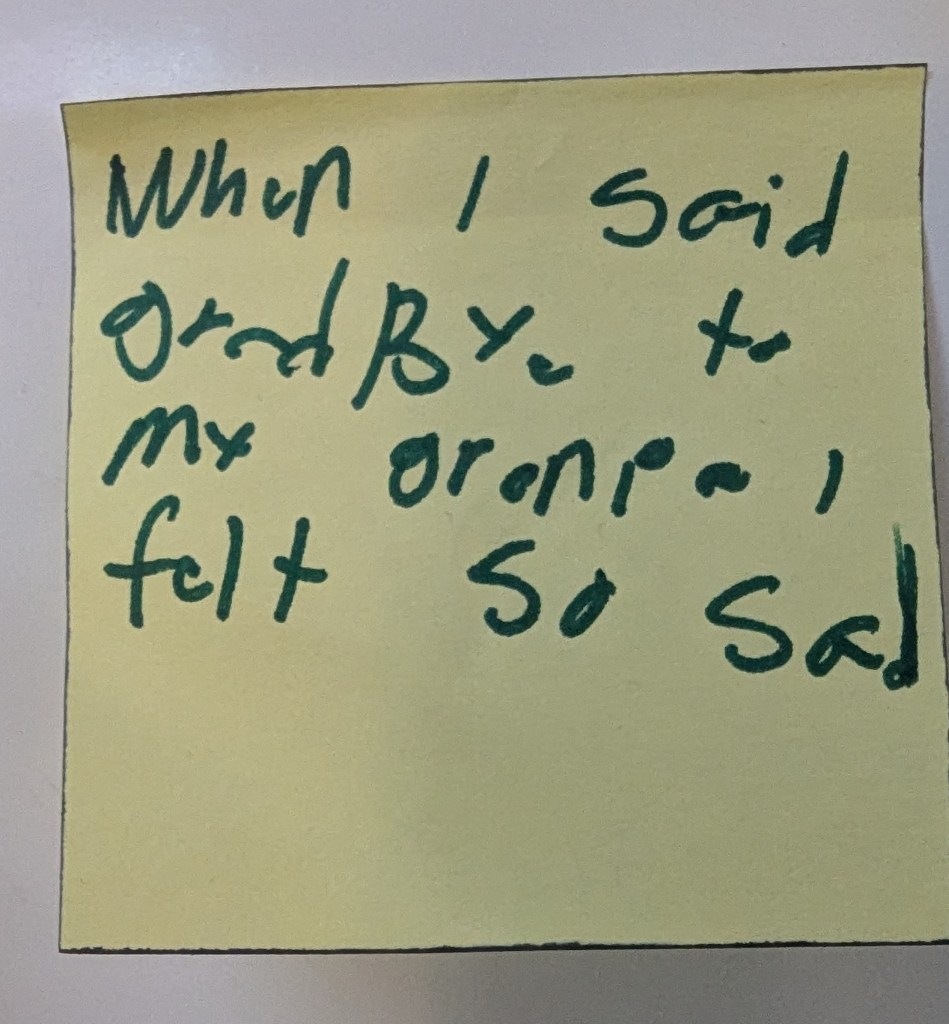
Green = Goodbyes: Who is someone youโ€™ve had to say goodbye to?

Red = Bravery: When have you had to be brave?

Purple = Fear: When have you felt afraid?

Orange = Hope: What are some of your hopes for the future?

These emotions connect to the memoir weโ€™re reading together, and because my students are English language learners, I also provided sentence stems to support fluency. I set a 7-minute timer and told them to create and post as many sticky notes as they could. For a bit of motivation, the table with the most notes earned a trip to the class snack bucket.

When the timer dinged, we took a silent gallery walk. Of course, silence didnโ€™t last long. A few whispers broke through: โ€œWaitโ€”whose house caught on fire?โ€ or โ€œHey, whoโ€™s from Ciudad?โ€ While I reminded them there was no pressure to identify their notes, most students did. They wanted to.

The best part? This activity works for any pre- or post-reading moment where students might hesitate to go deeper. And Iโ€™m saving the sticky notes. When itโ€™s time for them to write their own memoirs and someone inevitably says, โ€œI donโ€™t have anything to write about,โ€ Iโ€™ll point to their own words on the wallโ€”a whole collage of lived experiences waiting to become stories.


Kelly Virgin is a WCWP teacher leader who teaches high school English for the Kennett Consolidated School District.
From Copying to Connecting: How My Students Rethink Note-Taking

How do your students take notes?

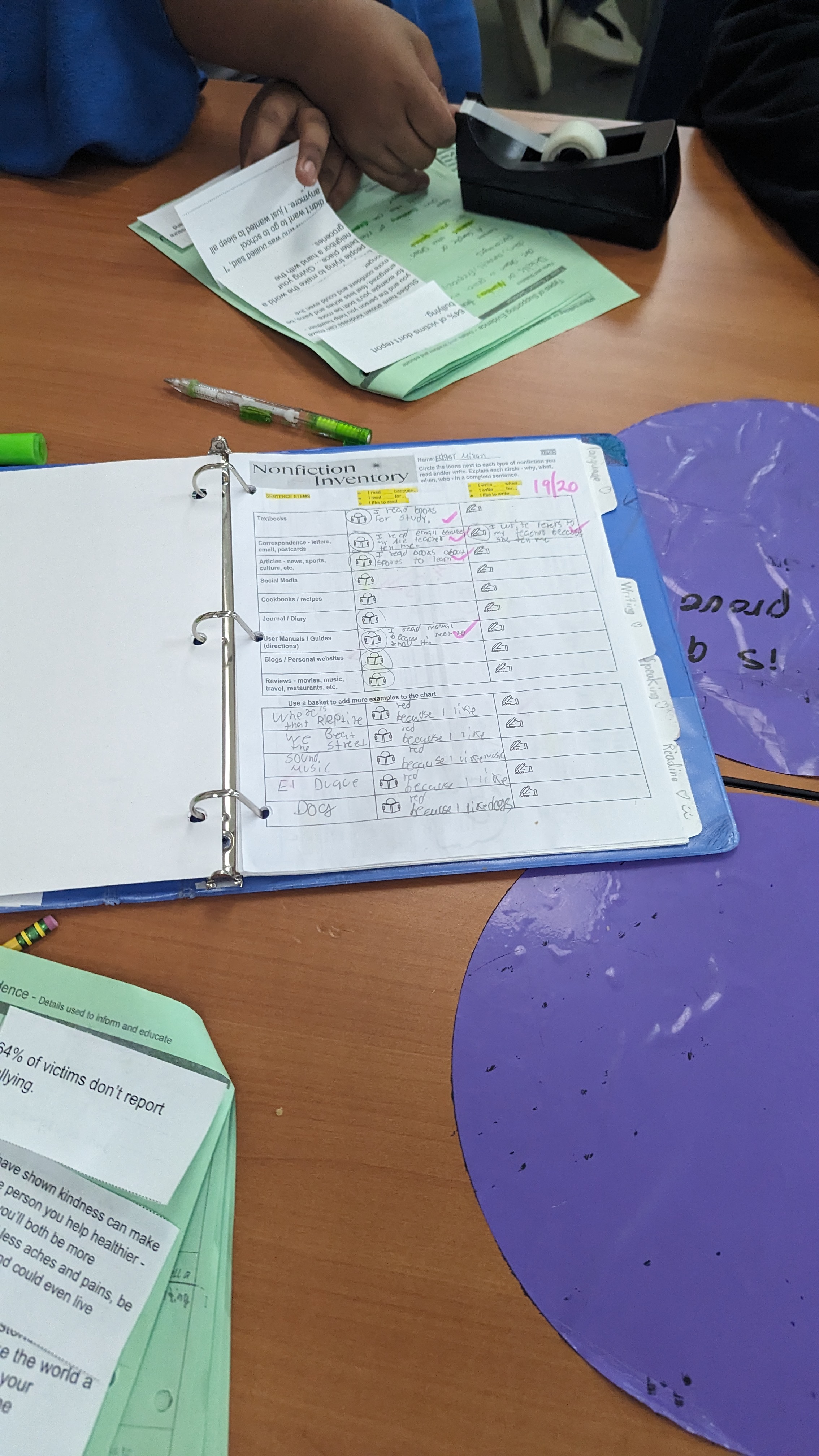
In my classroom, weโ€™ve been using a two-column note-taking system that helps students move beyond simply copying information. On the left side, they record notes from a short lecture or a hallway walk. On the right side, they engage with those notes โ€” analyzing examples I provide or finding their own connections to the new terms.

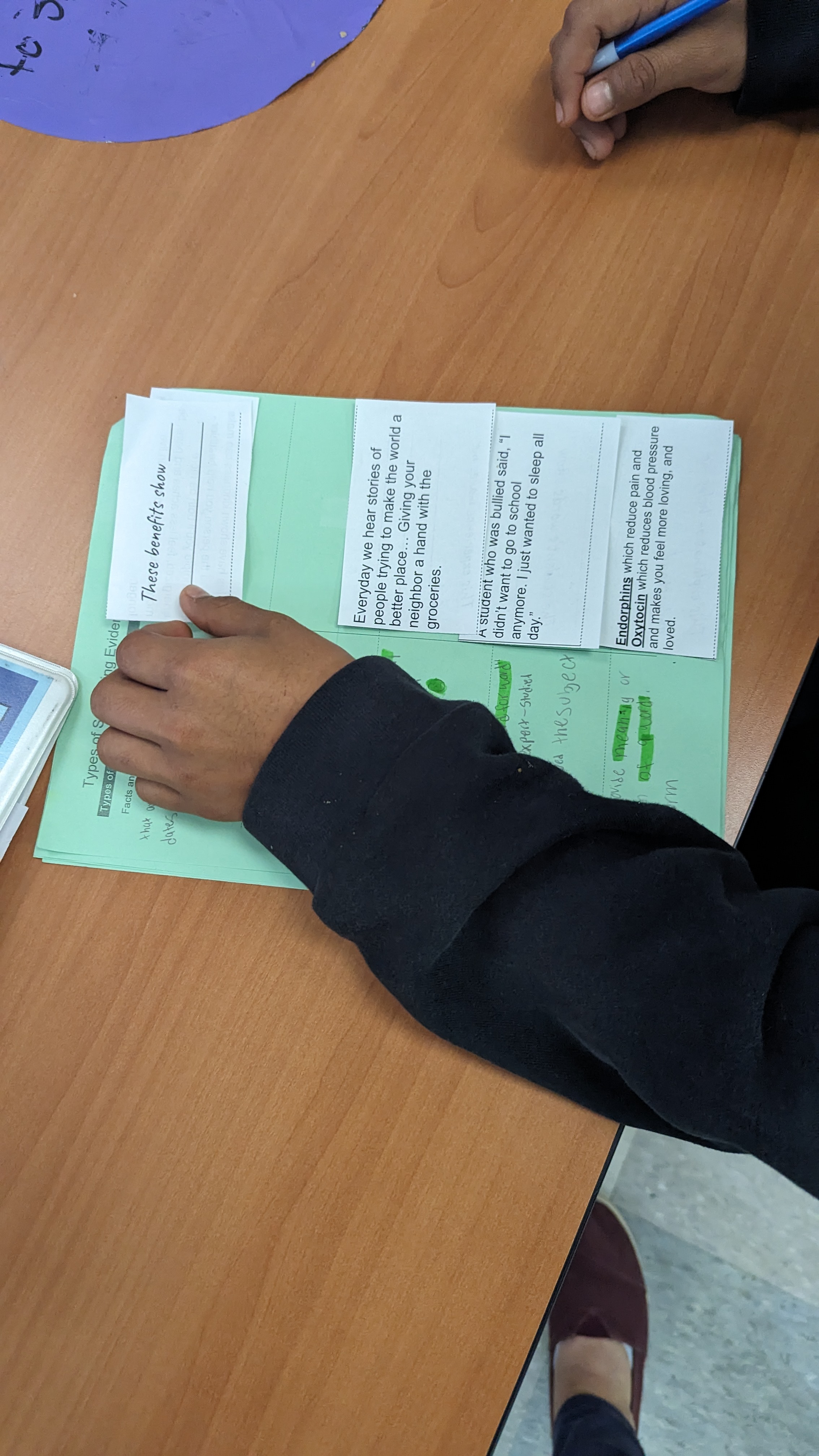
For this particular lesson, students copied definitions for different types of supporting evidence, highlighted the key words, and then cut and sorted examples from a reading we had completed the previous week. What started as a simple sorting task turned into thoughtful conversations about how evidence functions within an argument.

Once students correctly sorted their examples, they taped them into their notebooks and flipped the paper to analyze the effect of each type of evidence on the writerโ€™s overall argument. What I love about this approach is that note-taking became an active learning process, not just a record of information.


Kelly Virgin is a WCWP teacher leader who teaches high school English for the Kennett Consolidated School District.
Learning Through Exploration

Throughout in the school year, I like to give students chances to learn beyond the four walls of the classroom. Early on, one of my favorite ways to do this is by turning them into โ€œexpertsโ€ on their own school building.

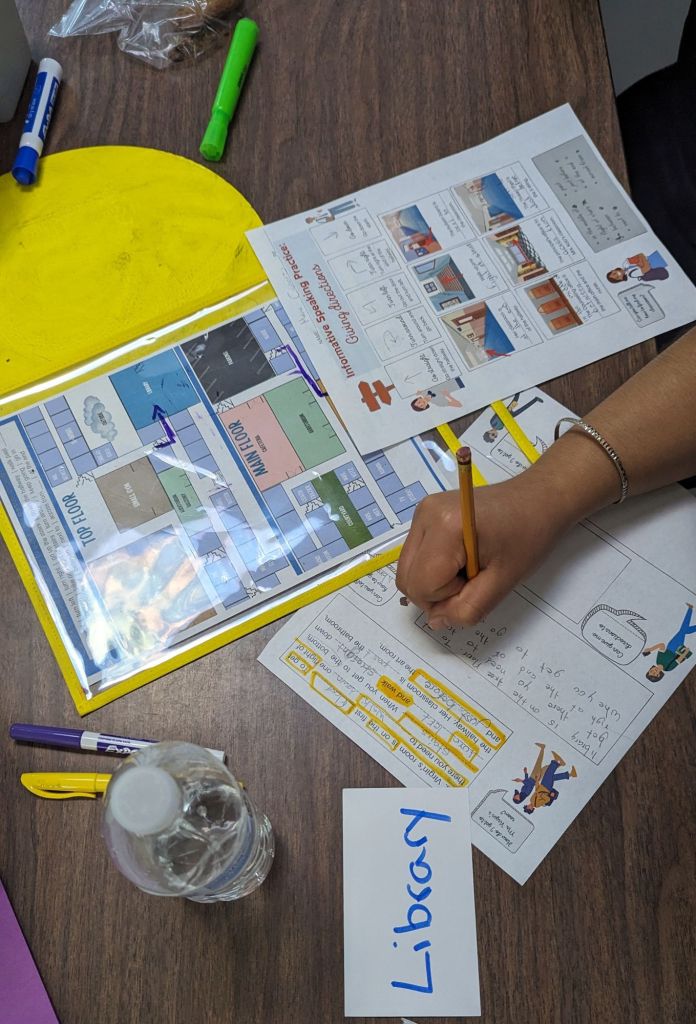
This week, for example, students started class by studying building maps. They drew routes to different resources around the school, then teamed up to practice their English by writing out step-by-step directions to those spots. After that, they got to put their directions to the testโ€”walking the routes, talking through them, and even creating a second set of directions to a new location.

Itโ€™s a simple activity, but one thatโ€™s engaging and collaborative. The maps, conversation, and exploration help students build both confidence with language and comfort in their surroundings.

Later on, this activity will grow into a larger project. Students will each choose one school resource to research in greater depth in order to create a student-friendly guidebook that explains what the location has to offer. Their written directions will be just one small part of the final productโ€”alongside a Q&A with the resource expert, plus the key facts and supporting details they uncover along the way.

This project not only strengthens their language skills, but also helps them see the school as a place full of people, spaces, and opportunities ready to support them.


Kelly Virgin is a WCWP teacher leader who teaches high school English for the Kennett Consolidated School District.

An easy strategy to kick start student collaboration

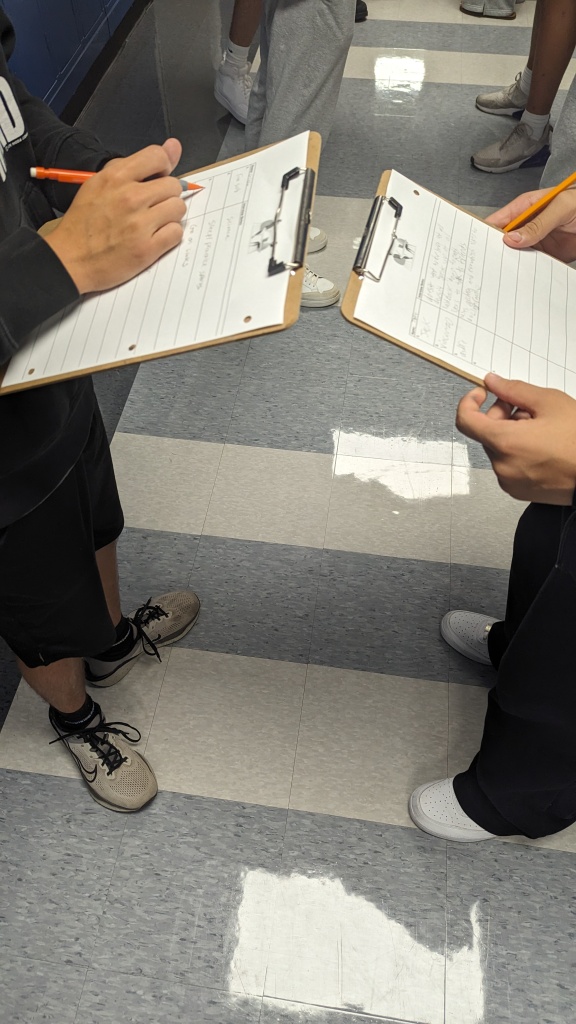
Want to get your students talking? Hand them a clipboard and get them on their feet. Early in the semester, I like to pose a simple question: What do you need to know about someone to know youโ€™ll work well together? After a few minutes of brainstorming, I give each student a clipboard with a blank chart, and we head to the hallway.

Students line up facing each other, and with a 90-second timer running, they talk. The clipboard gives them something to look at, and the questions give them something to focus on. While these elements make the conversations feel low-stakes, they often lead to high-reward connections.

Conversations donโ€™t always stick to the promptโ€”but honestly, those off-track moments are often the best ones. When the timer goes off, one row of students shifts down to new partners, and the process starts again. Before students leave for the day, I ask them to jot down the names of classmates they think they could work well with.

This quick activity gives me useful input for seating arrangements and helps students see that effective collaboration doesnโ€™t always depend on sitting next to a friend.


Kelly Virgin is a WCWP teacher leader who teaches high school English for the Kennett Consolidated School District.

Classroom Library Refresh

by Kelly Virgin

As the school year came to a close, I took a moment to look around my empty classroomโ€”and something caught my eye: a thick layer of dust on many of the books in my lending library. After 20 years of teaching high school English, Iโ€™ve built quite the collection… maybe too big, if Iโ€™m being honest. While offering choice is essential, too much choice can actually overwhelm students.

So I rolled up my sleeves and started weeding out books. Channeling my inner Marie Kondo, I asked myself, โ€œDoes this book spark joy in my student readers?โ€ Most of the process was instinctual, but hereโ€™s a general breakdown of what stayedโ€”and what didnโ€™tโ€”for my student population:

Stays (joy-sparking titles):

  • Dust-free titles (any books that were routinely borrowed)
  • Quick reads (graphic novels, novels in verse, etc.)
  • Relatable stories with diverse, teen protagonists navigating real-life challenges
  • Readable content at or below studentsโ€™ reading levels

Goes (joyless titles):

  • Dusty titles (books that hadn’t been borrowed in years)
  • Doorstop-sized classics
  • Obscure or overly complex fantasy/sci-fi
  • Outdated publications
  • Books above studentsโ€™ current reading levels

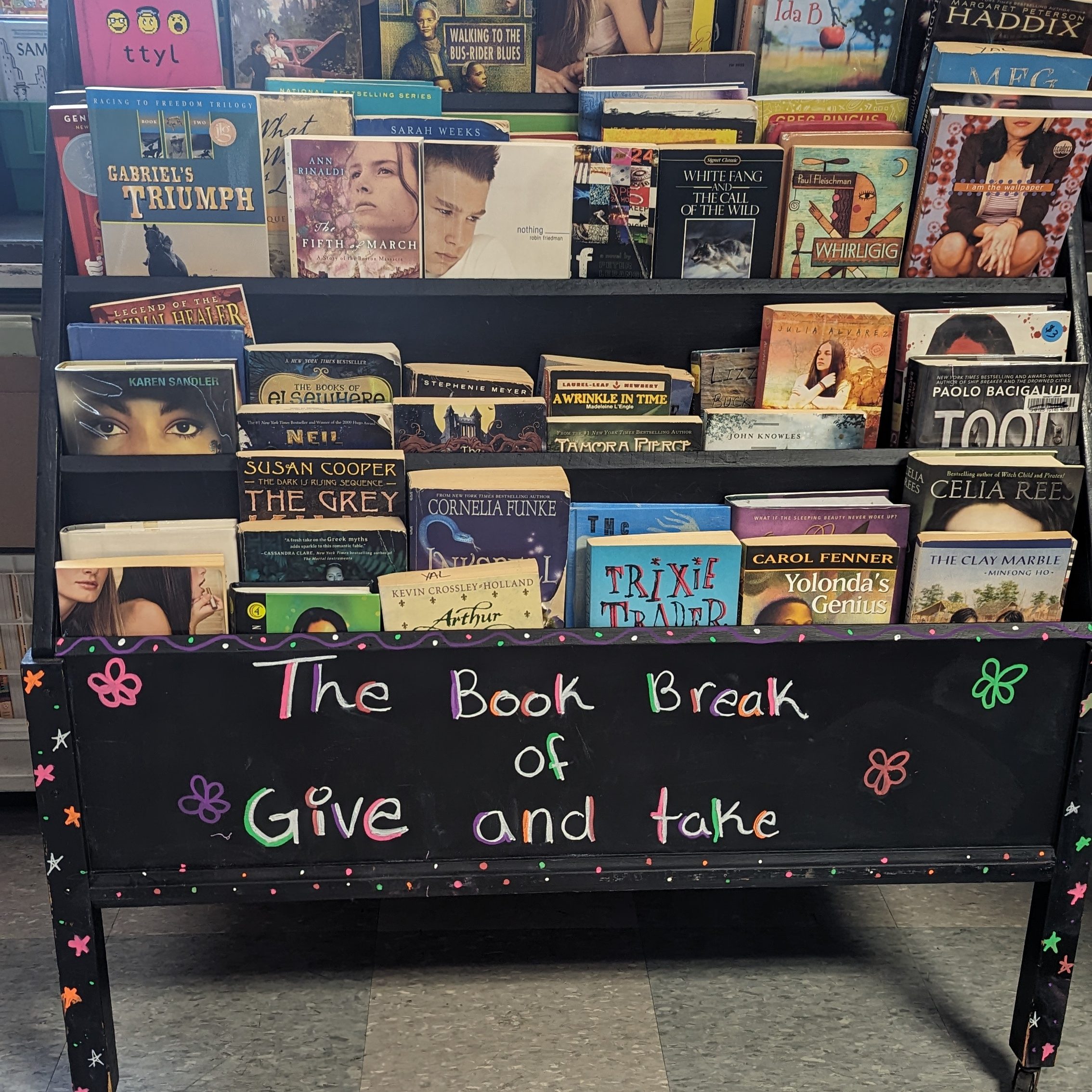
With help from a few awesome student volunteers, I gave many of the castoff books a second life in a new hallway community library. As a bonus, each volunteer walked away with a few titles they discovered while sortingโ€”books they were actually excited to read.


Kelly Virgin is a WCWP teacher leader who teaches high school English for the Kennett Consolidated School District.

Re-Imagining Romeo and Juliet: Providing Students with Strategies to Help them make Better Choices and Live Healthy Lives

by Lauren Heimlich Foley

“It’s about two teens who fall in love and kill themselves in the end.”

When my 9th graders learned that we would be reading Romeo and Juliet, this was the first reaction I heard in every class.

Once my planning began for this whole-class text, I knew I wanted to do some re-imagining. How could I make this play more relevant for my students? How could I leave them with knowledge that would help them? I vowed to myself that by the time my classes finished reading Romeo and Juliet they would take away more than a sad love story of two star-crossed lovers.

In class we watched and read selected scenes from Stratford Festival‘s pre-recorded play. A colleague of mine recommended the resource–it is amazing! For homework, students were invited to either watch the scenes or read the summaries we were not looking at as a whole class.

Students also read articles that addressed issues present throughout the play and relevant in today’s world. I split the articles and topics into separate days. Students chose at least one article to read, analyze, connect to, write about, and discuss. Day 1 focused on topics related to the first half of the play. The following week, after finishing Romeo and Juliet, students completed similar work for a new set of articles listed under Day 2. I encouraged students to select a topic and article that spoke to them or they found most interesting.

  • Day 1
  • Conflict resolution
  • Peer mediation
  • Ways to control/work through anger
  • Negative peer pressure
  • Mob mentality
  • Day 2
  • Problem solving skills
  • Communication skills
  • Brain development
  • Critical thinking skills
  • Strategies to clam down
  • How to manage stress
  • Mental health resources

The connections students made included text-text, text-self, and text-world. I asked them to consider how the information in these articles would have helped Romeo and Juliet had they had the resources and how these resources might help teens today.

Also, we read the article, “How to Help a Friend” from the National Alliance on Mental Health as a class. I reached out to my guidance counselor who recommended it.

In thinking about our world today and the struggles that many of my students experience, I wanted to provide resources for the issues that come up in the play. My hope for the unit was to help my students move beyond their initial ideas of Romeo and Juliet, make better choices, and live healthy lives.

A few weeks after the unit, I was speaking with one of my student’s parents who thanked me for the way I approached the content of the play and the resources I had provided. In the end, I am glad I re-considered how to teach Romeo and Juliet.