Skip to content

WCWP Book Review by Lynne R. Dorfman
Teaching in Uncertain Times: Strategies for Reclaiming Agency and Impact on Studentsโ€™ Learning by Laura Robb is refreshing, practical, and hopeful! Robbโ€™s book, available this July from Routledge Publishers, is filled with doable suggestions to support studentsโ€™ academic learning and social wellbeing and varied needs. Throughout the book, she encourages collaboration and interaction with colleagues to build a strong learning community built on trust. Robb talks about the importance of finding time to reteach and plan interventions by utilizing flexible grouping designs and providing additional practice for those students who need it. She urges educators to become learners alongside their students and tasks us with developing an ongoing habit of time allotted to reading professional books and articles โ€“ a critical aspect of being the best teacher you can be and helping all students to thrive!

Robb asks us to take risks and try new teaching strategies or routines or refining something we already are using. I absolutely love her remarks about studentsโ€™ self-evaluations. How simple yet brilliant to ask students to provide feedback on two questions: What worked? and What can be improved? She discusses ideas for K-1 and beyond in formats that make good sense! Cross-curricular projects are addressed for middle grades to boost engagement, critical thinking, and retention while developing the work force skills students will need later โ€“ collaboration, communication, adaptability. Her suggestion for professional study with other schools in the district or in the state can do much to deepen our knowledge of teaching practices and support our striving students in new and varied ways.

Independent reading in the content areas is addressed through rich suggestions for recommendations of magazines and award-winning Orbis Pictus and Scott Oโ€™Dell books. Robb also includes a description of key websites to support student learning and interests. A bibliography of sources, before-you-move-on reflection, chapter abstracts, and Robbโ€™s own personal classroom stories are a few ways Robb hooks her readers. Robb also addresses ways educators can focus on self-care and ways they can cultivate their studentsโ€™ wellbeing. Interest surveys, getting-to-know-you conferences, letters of introduction, kidwatching, reteaching lessons, and how to address cognitive overload are discussed in practical ways from kindergarten through middle school grades.

Chapter 4 takes a closer look at formative assessments and mentoring new teachers. Robb includes a great set of questions to gather important information about our students, providing a student information form so that all teachers who interact with a student and are part of a studentโ€™s day can provide feedback to help find alternative interventions and teaching/learning ideas. Her mentoring tips in Part II of chapter 4 encourage ongoing collaboration among new teachers and ways to build trust and positive memories.

Chapter 5 addresses lesson planning with six sensible suggestions and then moves into an in-depth look at three strategies to boost studentsโ€™ reading skills in all subject areas. Examples of planning charts are included as well as effective collaboration strategies to impact active learning. Robb provides tips to support student comprehension of informational texts, including how to construct meaning during and after reading, deepening comprehension and critical analysis of text.

Her final chapter talks about family partnerships that can help to provide funds for supplies, materials, and snacks while also helping teachers to build trust through their communication with family members. Her appendices are ready to use โ€“ everything from practical tips on developing successful learning centers to informational text features and structures.

Laura Robb is a teacher-of-teachers. Her voice is encouraging, kind, and reassuring. She offers classroom snapshots to bring her words to life and provides practical examples, useful forms, and doable advice to cheer us on and help us help all our students to thrive and be the best they can be. Thank you, Laura!
Learning in Place: Teachers Writing, Exploring, and Learning at Hagley

On December 6th, area teachers were invited to slow down, explore, and learn together at the Hagley Museum. The day centered on two interconnected strands: using primary sources to deepen classroom instruction and engaging in place-based writing inspired by Hagleyโ€™s historic landscapes. Through guided learning, independent exploration of the museum and grounds, and shared writing time, participants experienced strategies they can adapt directly for their own students. Made possible by a Library of Congress grant, this session marks the first in a series of free, place-based professional development days for local teachers. Each session is designed by a West Chester Writing Project teacher leader to foster collaboration, reflection, and meaningful connections between history, place, and writing. The slides from our first day are included below as a resource for continued learning and reflection.

Click here to join us for an upcoming session as we continue to learn together in places that inspire teaching and writing!

  • Michener Museum (2/28)
  • Brandywine River Museum (4/11)
  • Mercer Museum (4/18)
  • Winterthur Museum (5/2)

Kelly Virgin is a WCWP teacher leader who teaches high school English for the Kennett Consolidated School District.

The Color Conversation: A Classroom Strategy That Actually Gets Teens Talking

How do you get high schoolers to open up and share something real? If your students are anything like mine, they tend to deflect, joke, or suddenly become very interested in the ceiling when itโ€™s time to make personal connections to literature.

So earlier this week, I tricked themโ€”gentlyโ€”into opening up with a โ€œcolor conversation.โ€

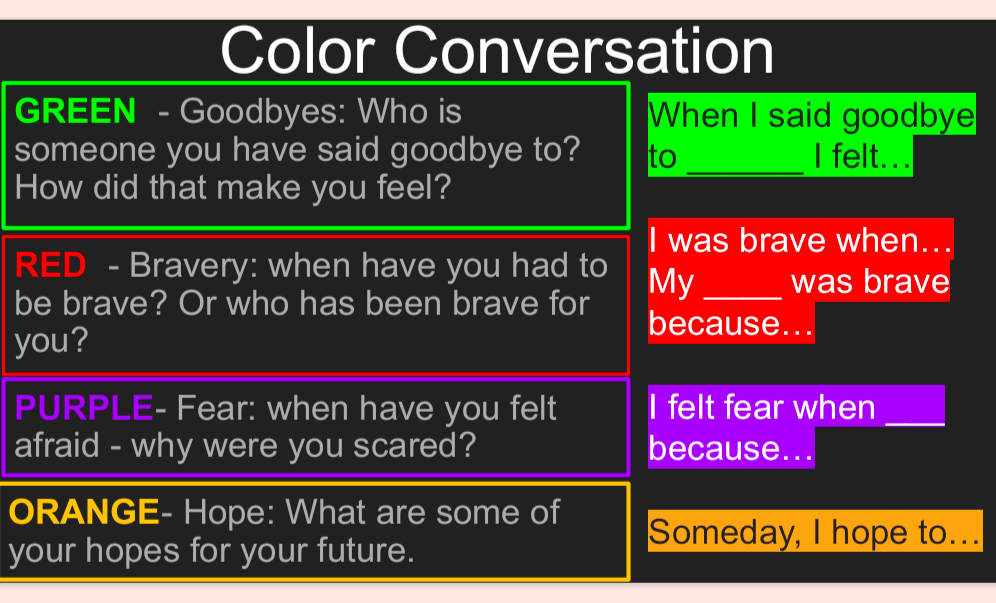
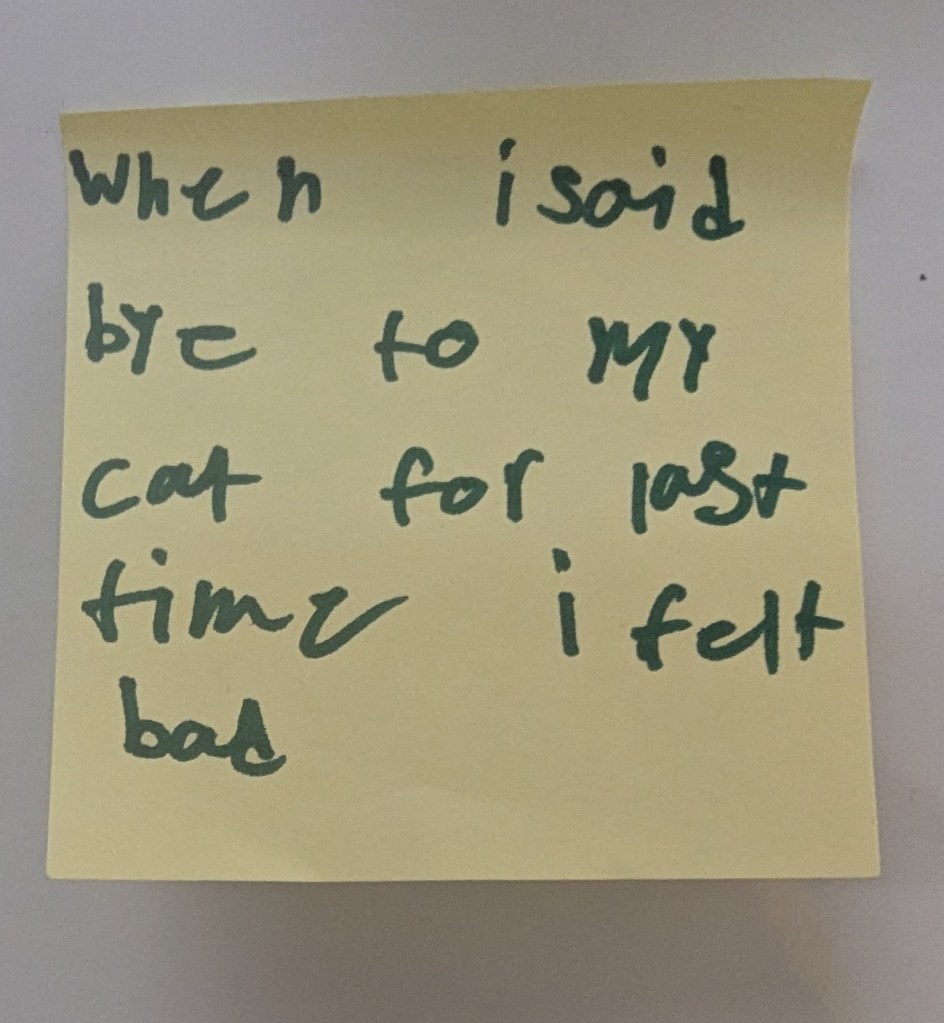
The setup was simple: a pile of sticky notes and a handful of colored Sharpies. Before showing the prompts, I told students to grab one marker. Then I revealed the color-coded questions:

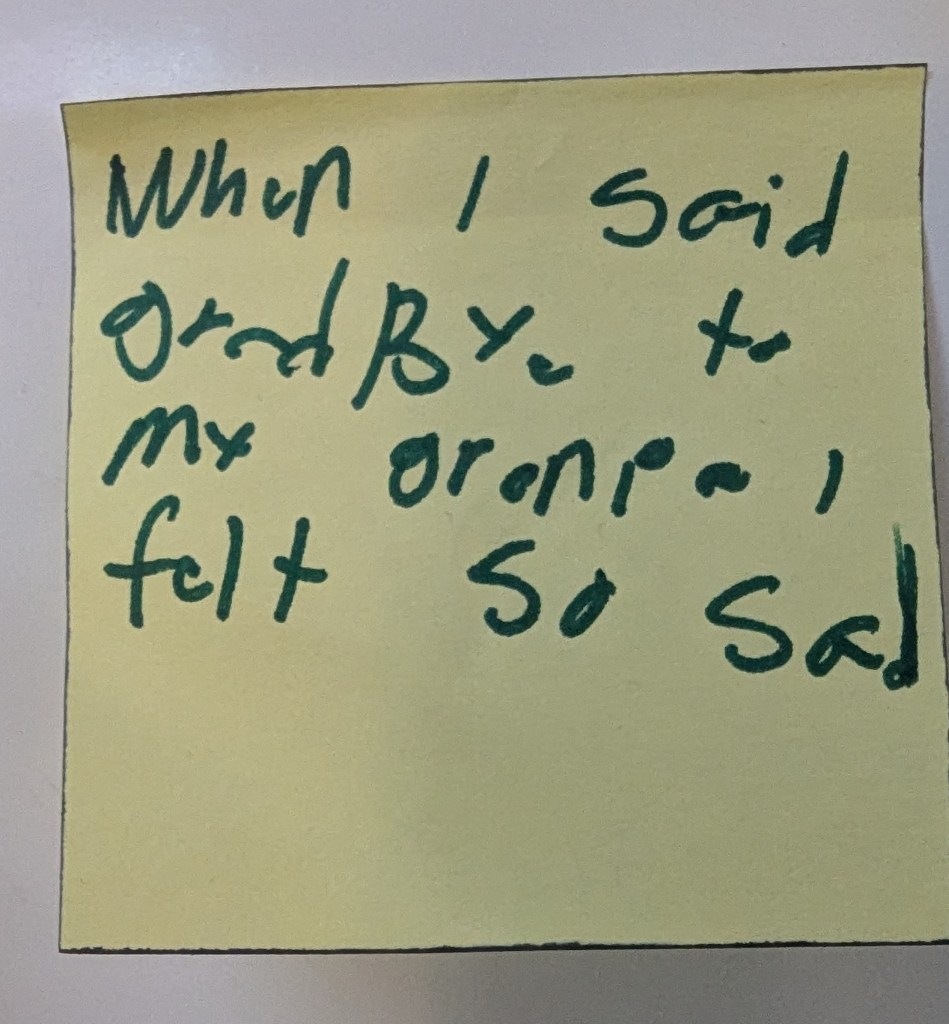
Green = Goodbyes: Who is someone youโ€™ve had to say goodbye to?

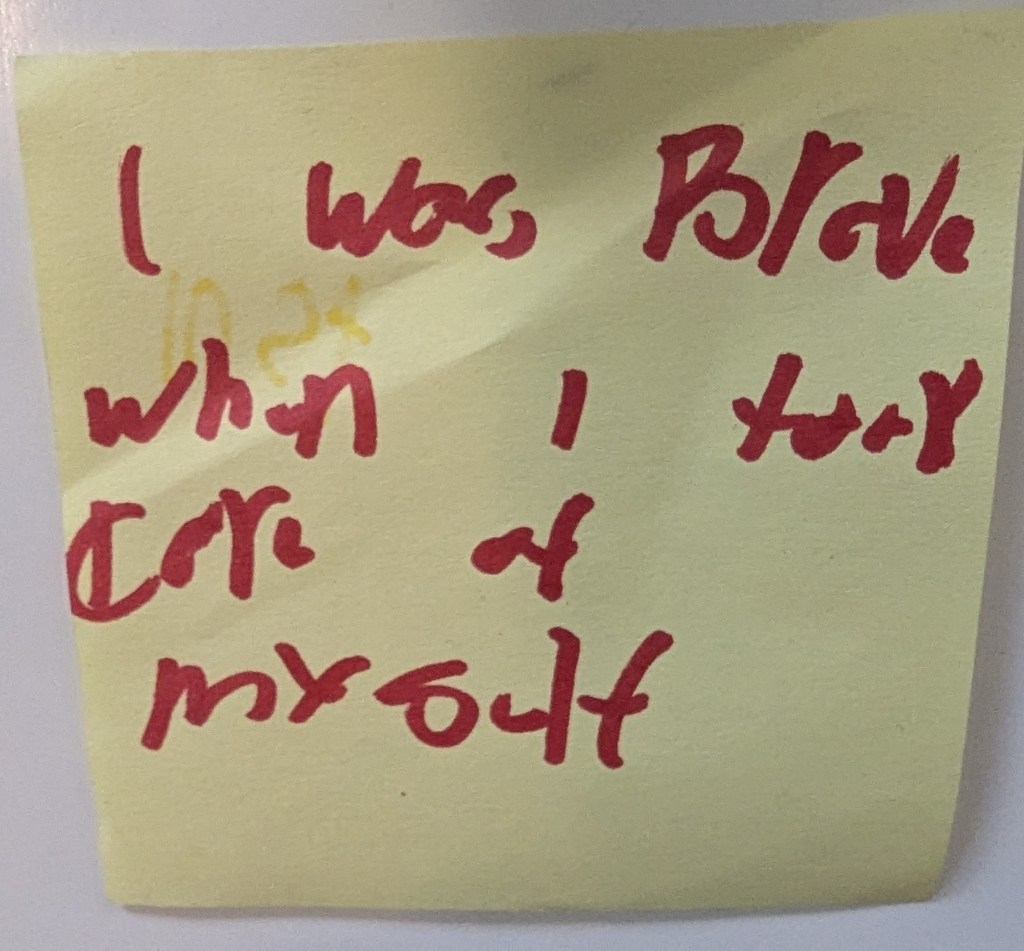
Red = Bravery: When have you had to be brave?

Purple = Fear: When have you felt afraid?

Orange = Hope: What are some of your hopes for the future?

These emotions connect to the memoir weโ€™re reading together, and because my students are English language learners, I also provided sentence stems to support fluency. I set a 7-minute timer and told them to create and post as many sticky notes as they could. For a bit of motivation, the table with the most notes earned a trip to the class snack bucket.

When the timer dinged, we took a silent gallery walk. Of course, silence didnโ€™t last long. A few whispers broke through: โ€œWaitโ€”whose house caught on fire?โ€ or โ€œHey, whoโ€™s from Ciudad?โ€ While I reminded them there was no pressure to identify their notes, most students did. They wanted to.

The best part? This activity works for any pre- or post-reading moment where students might hesitate to go deeper. And Iโ€™m saving the sticky notes. When itโ€™s time for them to write their own memoirs and someone inevitably says, โ€œI donโ€™t have anything to write about,โ€ Iโ€™ll point to their own words on the wallโ€”a whole collage of lived experiences waiting to become stories.


Kelly Virgin is a WCWP teacher leader who teaches high school English for the Kennett Consolidated School District.

A Book Review: ย Leveled Reading, Leveled Lives: How Studentsโ€™ Reading Achievement Has Been Held Back and What We Can Do About It (Harvard Education Press, 2025). ย ย ย ย ย ย ย ย ย ย ย  A book review by Lynne R. Dorfman

Timothy Shanahan, a professor emeritus/educator who has long influenced literacy instruction in our country, has written a new book, Leveled Reading, Leveled Lives: How Studentsโ€™ Reading Achievement Has Been Held Back and What We Can Do About It (Harvard Education Press, 2025).  In it, Shanahan discusses a common teaching practice in our classrooms that promote the idea of matching students with โ€œjust-rightโ€ books. Shanahan states that this protocol of getting students reading different texts depending on their assessed reading level is holding many students back. In addition, it is taking teachers away from time that could be spent helping all students learn how to understand challenging texts. He argues that comprehension skills cannot improve if students are not challenged to negotiate more complex, difficult texts.

Shanahan explains that itโ€™s not helping anyone, and in content areas such as science and social studies, teachers are reading the texts aloud to the students. So, when do striving readers get the chance or develop the strategies and skills to tackle complex material on their own?

Shanahan is advocating for all students to read grade-level texts together, with teachers providing more support for those who need it. Everyone will have the same instructional goal, and some students may move more quickly into independent work while others receive more support in the form of another lesson or one-on-one conference or small group instruction. In this way, more students have a chance at reaching the grade-level learning goal.

Shanahanโ€™s new book outlines a toolbox of strategies for tackling difficult texts, such as looking up unfamiliar vocabulary, rereading confusing passages, or breaking down long sentences.  He is not a believer in drilling students on skills like identifying the main idea or making inferences.  Although there seems to be little agreement on how to boost reading achievement for our children, Shanahan states there is not a body of strong evidence that points to greater improvement in reading achievement when students only read texts at their level. He also argues that developing background knowledge is not as powerful as explicit comprehension instruction. By contrast, a 2024 analysis found that the schools that were most effective were those that keep instruction at grade level.  Shanahan admits that more research is needed to target which comprehension strategies work best for which students and under which conditions. Shanahan believes that Vygotskyโ€™s work is often misunderstood. Vygotsky believed teachers should guide students to learn challenging things they cannot yet do on their own.  Shanahanโ€™s critique of reading instruction applies to children in second grade and above who are learning how to read and focusing on making meaning. In K-1, students are still learning phonics and how to decode the words on the page.  Learning to decode first is important. Shanahan says there are rare exceptions to teaching all children at grade level.  Advanced readers can be challenged through independent reading time and by exploring more complex ideas within grade-level texts. Shanahan also discusses the role of AI and of the parents.He also is concerned about what happens outside of school where our students arenโ€™t reading much at all. His advice to parents is to let children read whatever they enjoy, regardless of level, but to set consistent expectations.  He says parents are the adults and need to take responsibility. The book is filled with practical advice for implementing grade-level reading instruction, including detailed descriptions of the types of instruction and scaffolding needed to increase studentsโ€™ reading achievement.  His book is a powerful call for giving our students the guidance and support they need to make challenging texts part of their daily reading experiences.

Creating Confident Writers By Mark Overmeyer

If you want to build confidence in your writers, try using samples from their writing as mentor texts. I use professional mentor texts to motivate writers to compose and revise, but I notice writers respond more positively to the use of mentor texts when their own work is included in the mix.

Here are a few ways you might use student writing as a motivational and instructional tool:

Excerpt student texts that align with your teaching points. Since I know I will be focusing on specific craft moves during a genre study, I look for students using specific writing crafts during early drafting stages. For example, in a personal narrative unit, I might look for effective use of dialogue, setting descriptions, strong leads, and character development. I excerpt two or more examples of a craft move to include more student writing and to avoid the mistaken impression that there is only one way to develop character or describe a setting. During my mini lessons, I incorporate these student samples by saying something ike this: โ€œWe have been looking at a lot of published writersโ€™ work during our unit, but I noticed that a lot you are already using many of the craft moves we will be studying. Letโ€™s look at a few examples of how you are doing this work so that we can learn from each other.โ€

Excerpt student texts to highlight multiple writerly moves. Early in the school year, I excerpt one or two sentences of student writing from each student and identify the craft or writing move the writer is using. This bank of 20 to 30 excerpts can become a tool for all the writers in the room as they search for ways to revise and improve their own writing. Using student excerpts can be a powerful teaching tool, especially if you include a wide range of writing that moves beyond just description. For example, if I excerpt one studentโ€™s writing because it effectively uses a simile, the next excerpt might include strong verbs, and the next a few specific, proper nouns. Make sure to excerpt at least one sentence from every writer in your class if you use this strategy. Your message should be loud and clear: we are all part of the writing community, and we can learn from each other.

Excerpt student texts and ask your writers what they notice. Excerpt one or two sentences from student writing and then ask your writers what they notice. I often group the students and ask them to jot notes about what they notice about the first four excerpts, while another group of students works on the next set of excerpts, and so on. This way, more student voices can be heard while they engage in conversations about what they notice about each otherโ€™s writing. Because I want to frame the noticing around the purpose of mentor texts, I might cue the students by saying something like: โ€œLook at these sentences from our writing. In small groups, I am going to ask you to identify what makes this writing work. Think about what strategies and crafts you can borrow as you read these excerpts. Do the sentences work because they describe? Or is it because of the verbs? Or nouns? You decide what makes them effective and then you will have a chance to share your thoughts with the group.โ€

Cue students to notice what they can borrow from other writers in the room. Once students can comfortably identify how to use mentor texts, you can ask them to read each otherโ€™s work for something they might borrow. One way to organize this type of work is to ask every student to leave one page of the writing on their desk. Then, ask students to filter around the room, reading at least four or five pieces with the goal of identifying one or more craft moves they might use in their own writing. After about 10 or 15 minutes, pause and ask students to share their thoughts, including the name of the writer who inspired them. A student might share something like this: โ€œI noticed that Susan used the verb โ€œtrudgingโ€ when she described how hard it was to walk her dog in the snow. Susan inspired me to look at my verbs to see if I can change any of them to be more active.โ€

Professional mentor texts are an essential part of a writing workshop classroom. But remember that we have student writing mentors right in front of us every day, and their work can become an integral part of our writing routines.

Mark Overmeyer Author of When Writing Workshop Isnโ€™t Working, 2nd Edition.

From Copying to Connecting: How My Students Rethink Note-Taking

How do your students take notes?

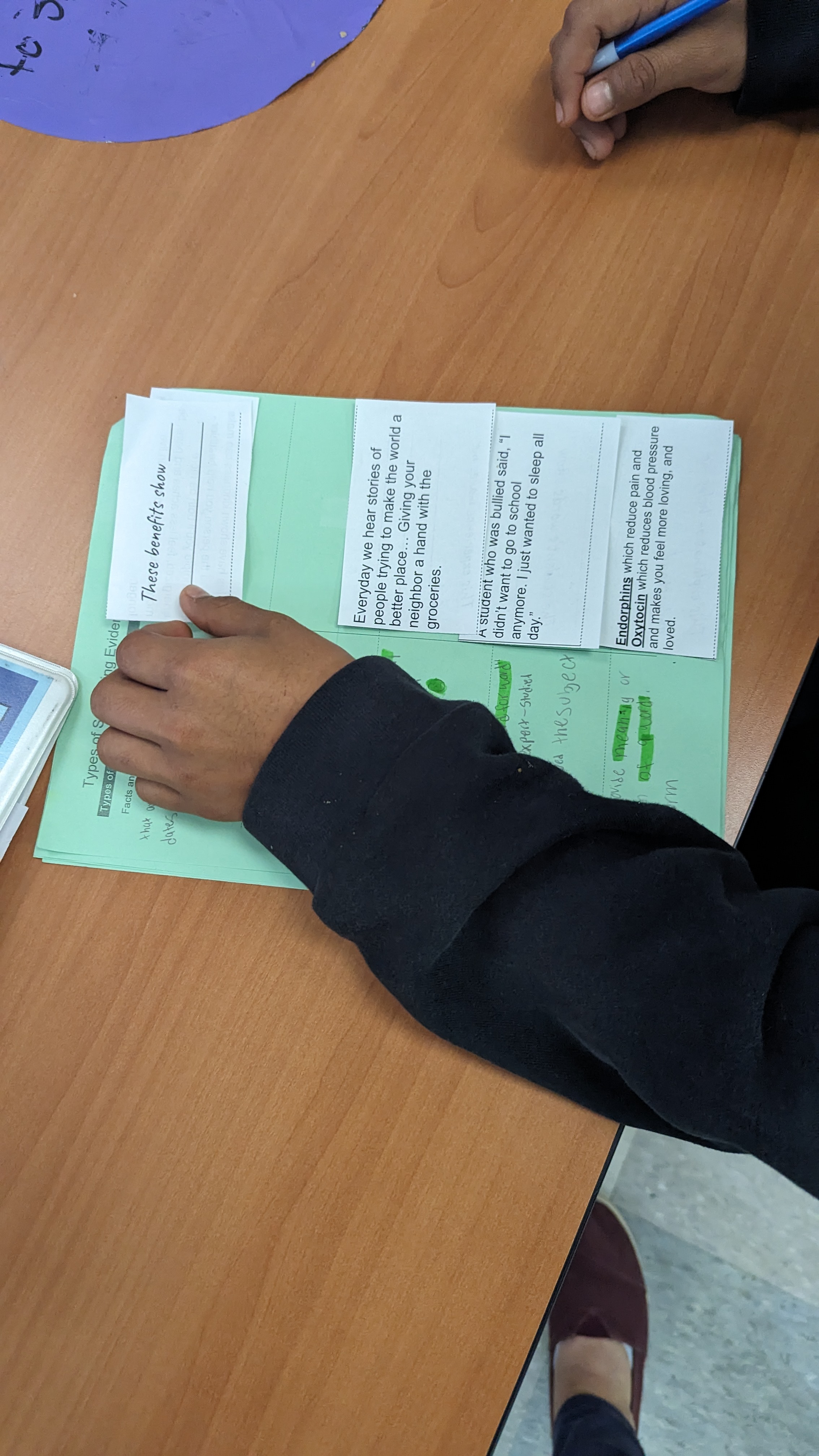
In my classroom, weโ€™ve been using a two-column note-taking system that helps students move beyond simply copying information. On the left side, they record notes from a short lecture or a hallway walk. On the right side, they engage with those notes โ€” analyzing examples I provide or finding their own connections to the new terms.

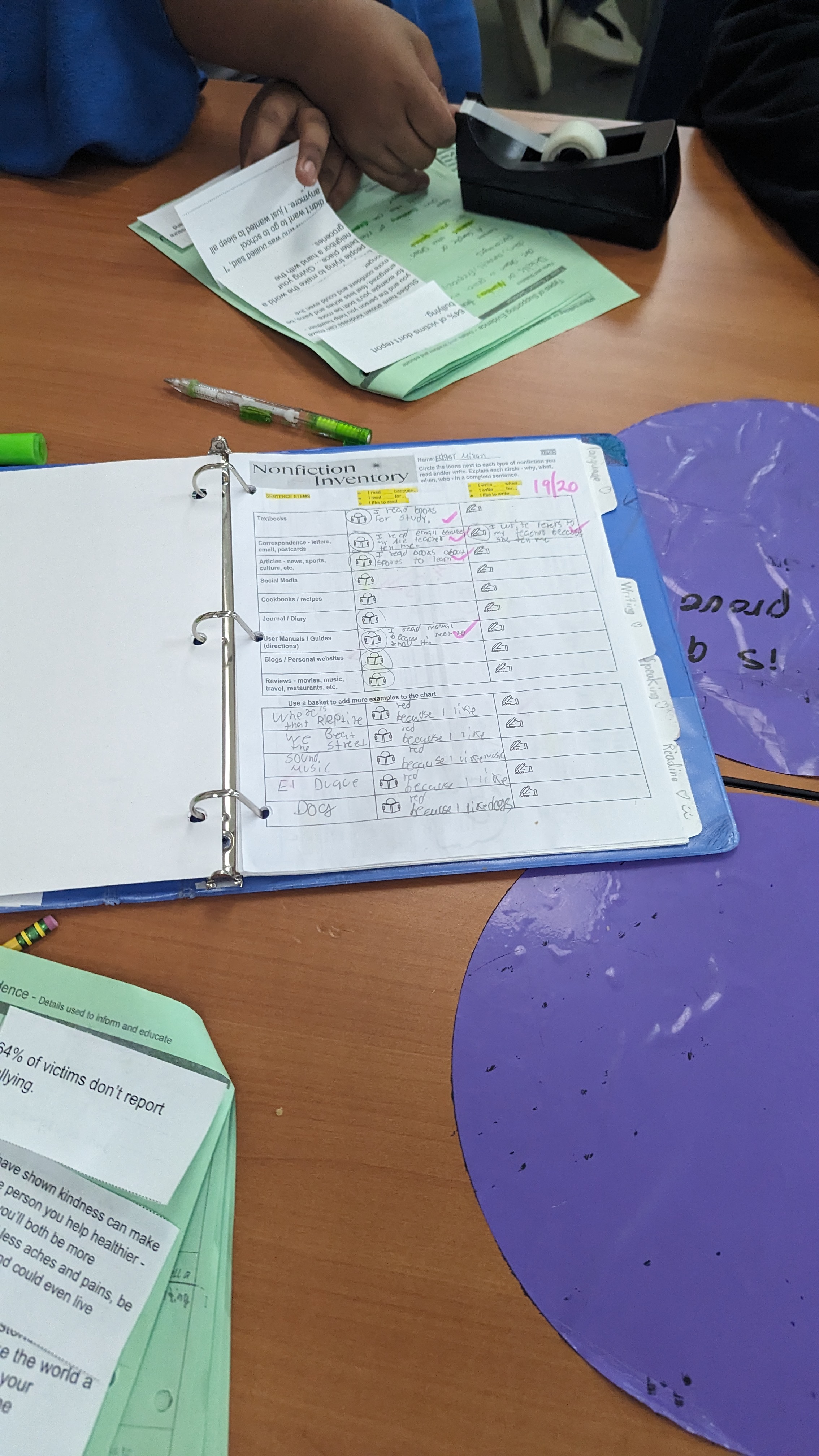
For this particular lesson, students copied definitions for different types of supporting evidence, highlighted the key words, and then cut and sorted examples from a reading we had completed the previous week. What started as a simple sorting task turned into thoughtful conversations about how evidence functions within an argument.

Once students correctly sorted their examples, they taped them into their notebooks and flipped the paper to analyze the effect of each type of evidence on the writerโ€™s overall argument. What I love about this approach is that note-taking became an active learning process, not just a record of information.


Kelly Virgin is a WCWP teacher leader who teaches high school English for the Kennett Consolidated School District.