Skip to content

Posts from the ‘PAWLP’ Category

Books on the Blog: Overcoming Hardships and Loss

By Lynne R. Dorfman

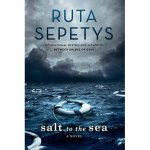
TIn Salt to the Sea by Ruta Sepetys four teen’s lives converge in hopes of escape as Russians advancing through East Prussia during 1945. The story brings to life the little known story of the sinking of the German ship Wilhelm Gustloff by Russian torpedoes. The historical fiction novel is told in alternating voices of the Lithuanian nurse Joana, Polish Emilia, Prussian forger Florian, and German soldier Alfred (the only one who is unlikable as a self-delusional Hitler worshipper and sympathizer). Thrown together, the main characters struggle to survive, hardly trusting one another to even use their real names. Each has secrets that haunt anyone who has lived through war, flight, and deprivation. As the group escapes the brutalities of the Red Army, ultimately some of them will perish.
Read more

Teacher-to-Teacher: Balancing Act By Janice Ewing

In a recent grad class, we were attempting to synthesize knowledge from a variety of texts, including The Book Whisperer by Donalyn Miller and Readicide by Kelly Gallagher, along with two texts about the core standards and strategies to support and implement them. The use of multiple sources of information, with different viewpoints, is of course a component of the core standards, and is a practice that most of us commonly use to make decisions. So why were we struggling with reconciling the points we were taking from the various texts?

RBPnvTOdGdeKc9EVcCaS8qMekwNV8ziMM81QpLQYcQIPJXTildGBqm2otEi0iGQFbzvm=s90-1.png

Read more

Informazing Read Alouds

By Linda Hoyt


Informational read alouds ignite imagination, strengthen academic vocabulary, and build strong foundations for inquiry. They’re easy. They’re interesting. But I am concerned becausethey aren’t happening enough!

Unfortunately, evidence continues to suggest that teachers are still leaning heavily toward fiction during read alouds. (Layne, 2015; Scholastic & YouGov, 2014; Duke, 2014) I would argue that it is time for us to take active steps toward ensuring that every learner experiences the power of an informational read aloud, every day.  With help from masters of nonfiction such as Seymour Simon, Nicola Davies, Gail Gibbons, Melvin Berger, Doreen Rappaport and so many more, students will erupt with questions and ignite a sense of wonder that will electrify learning.

Here are a few tips to ensure success with informational read alouds:

Read more

Books on the Blog: Books for those who Love Outdoor Adventure

By Linda Walker
​Jean Craighead George books about outdoor adventure are familiar favorites. I just added The Trail by Meiko Hashimoto to that list.

​After his parents’ divorce and a permanent move to live with his grandmother Toby sure needs a friend and he found one in Lucas. Toby and Lucas do everything together, build forts, battle with stick swords and watch tadpoles make the miraculous transformation into deep-throated bullfrogs. Their favorite summer activity is camping behind Toby’s grandmother’s house. Lucas is the risk-taker “chasing adventure wherever it went”. Toby is the follower who believes bad luck pursues him wherever he goes.

Read more

A Writerly Life: Words of Wisdom from Ralph Fletcher

Jen Greene (2017 Grammar Matters co-facilitator)

Creating a Positive Classroom Environment: It Starts with You!

By Lynne R. Dorfman

Often, we are so concerned with positive ways to manage student behavior that we forget about the importance of our positive attitude each and every day. As the school year dips into the middle of autumn, already we start to question if we are meeting all our students’ needs and doing the best job we possibly can do. Good classroom management that creates a positive environment starts with the teacher. What can you do at school and away from school to use and enhance positive energy?

At School:

  • At recess or lunch period, take some time to read a chapter in a novel or read some poetry, take a walk on the school grounds or neighborhood, or write a personal note to a colleague to thank or praise him for something he did for you or the staff.
  • Stay (when you can) after school to comment and grade papers or start a little earlier to do the same before school starts. Find a quiet spot away from the door so your colleagues will be less inclined to drop in to chat with you during this time. The work will be completed much faster in school than at home!
  • If someone on the staff is a constant source of negative energy, steer clear!
  • Teach students how to do things for themselves as soon as possible. They need to feel capable, and their greater independence will free up some precious time for you to manage all that is required of you.
  • Find a friend you can have lunch with regularly and decide to pack a lunch once or twice a week with each other in a location other than the teachers’ lunchroom.
  • Do what you can to build a positive attitude about being at school. Be sure to say “hello” to your colleagues when you pass them in the hallway. Share your ideas freely, and be willing to problem solve as a cooperative team whenever the occasions arise.
  • Set high expectations for your students and be their biggest cheer leader.
  • On the weekends or on Mondays before school begins for the week, reflect on things that went especially well during the previous week. Select one experience and record it in your writer’s notebook. Savor the moment!

Read more