A Writerly Life: Wisdom from Stephen Tchudi
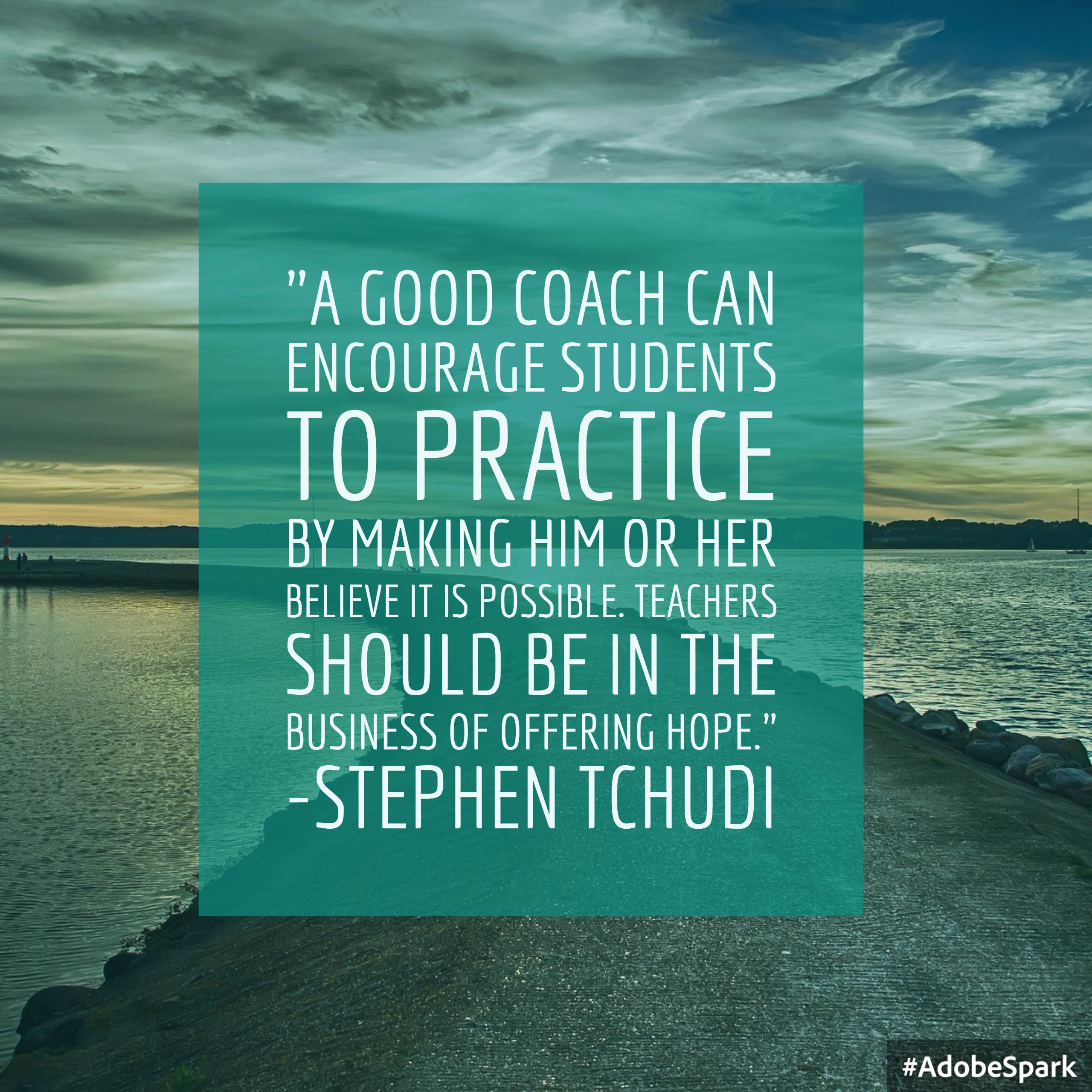
Teachers should encourage their students to improve their work, not perfect it! Coach them!
Jill Naylor (2016 participant of Grammar Matters)
Aug 29
Teachers should encourage their students to improve their work, not perfect it! Coach them!
Jill Naylor (2016 participant of Grammar Matters)
Aug 27
This serves as a reminder to my students when writing about big issues to address the impacts on the individual.
-Kate Kelley (2016 participant of Grammar Matters)

A reminder to myself of what I love about language and why I want to share it with others.
-Jill Kummerer (2016 participant of Grammar Matters)

Aug 10
by Kelly Virgin
My week as a co-facilitator of the PAWLP Grammar Matters course reminded me of the most vital tools teachers have access to in our profession: each other. Throughout the week I had the sheer pleasure of learning from a group of experienced and dedicated teachers. Teachers who instruct everyone from the the tech-savvy-pajama-clad-behind-the-screen cyber high schooler to the squiggly-giggly-in-the-flesh-on-the-floor fourth grader. Teachers who reminded me of the importance of reading picture books to my 9th graders and who rejuvenated my excitement to explore conventions along with them. Teachers who introduced me to educational websites, learning apps, presentation tools and who had the patience to help me learn how to access and use them. Teachers who challenged my thinking and reaffirmed my beliefs.

In just a few short weeks many of us will be back to days that are crammed with lesson planning and attendance taking. We will be focused on our students’ learning and consumed by our daily responsibilities as educators. And if we don’t make a conscientious effort, days, maybe even weeks, will pass without us taking the time to engage in any challenging or reaffirming professional conversations. However, in order to sustain our energy and creativity for all 180 days of the school year, it is important to remember to take the time to talk to and to work with our colleagues as well as to seek professional assets from beyond our daily encounters.




 write.share.connect