Influence. Pause. Inspire.
By Lauren Heimlich Foley
Here are three more classroom practices that I am adapting for distance learning.
Influence: Student Showcase
“What book is that from: I want to read it!” a student asked at the end of our quick write time.
I responded, “Well . . . it’s actually written by one of your peers from sixth period.”
“Wow a student wrote that! Tell them I want to read the story when they are finished.”
Similar reactions have been happening throughout the school year. Students are acknowledging and congratulating their peers on exemplar writing. Book talks are increasing conversations and To Read Next lists. Mentor texts and quick writes are inspiring new writing pieces. While there were successes with the student leadership opportunity, I have revised many procedures since I first launched and wrote about this idea in September 2019.
After modeling student leadership for my students, I launched an assignment asking all of them to submit either a mentor text, quick write, or book talk. I ended up with too many submissions: I did not have enough days in a month—or two—to share their responses and apply them in a meaningful way within our class. In some ways, I still felt like the gatekeeper of knowledge instead of handing over the reins to my students.
So, I asked them for feedback in a Forms survey and conducted whole-class and small-group interviews to learn more. Here were the takeaways:
- Call this Student Showcase instead of Student Leadership Opportunities (the alliteration is catchy)
- Have two categories: book talks and writing inspirations
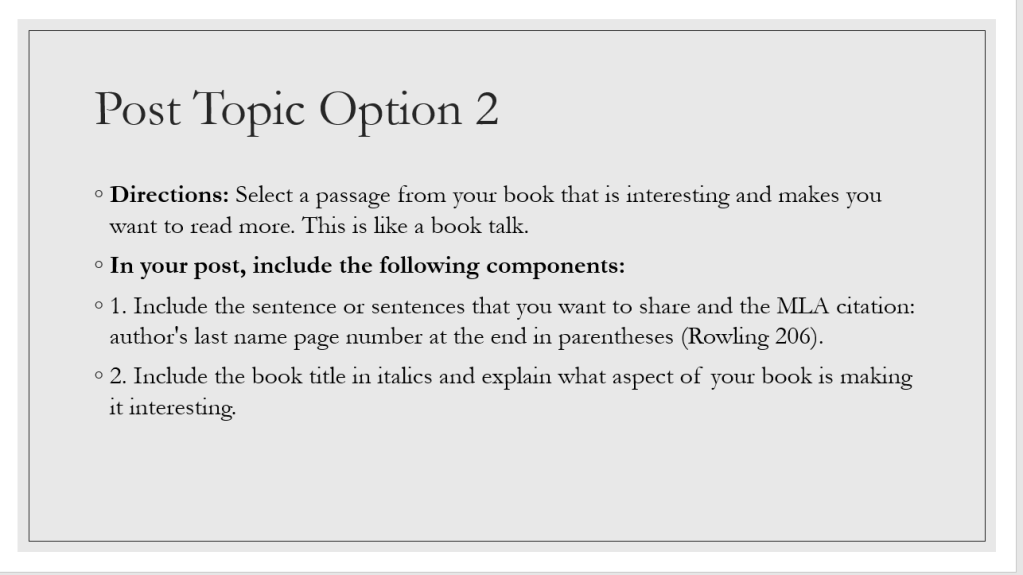
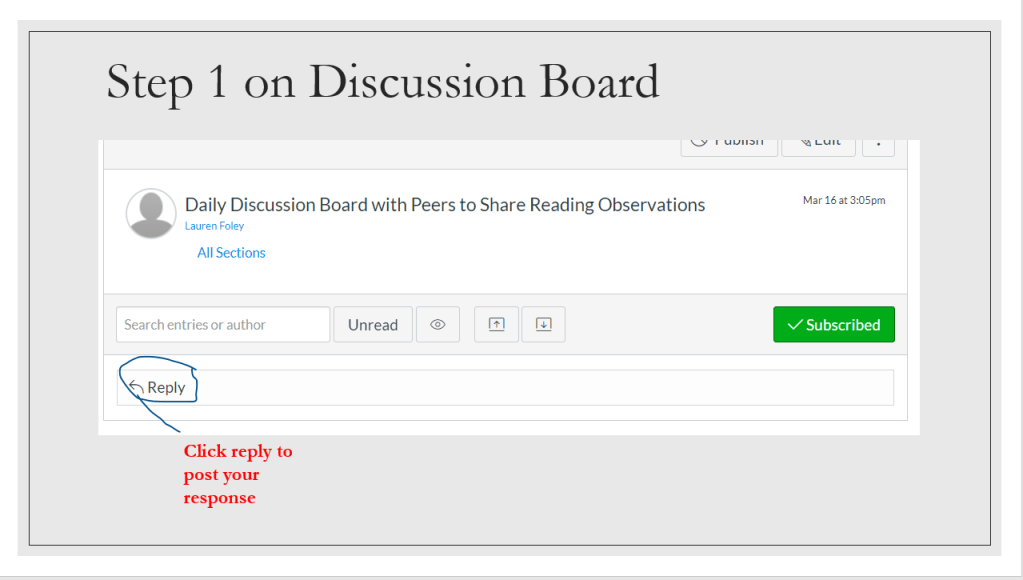
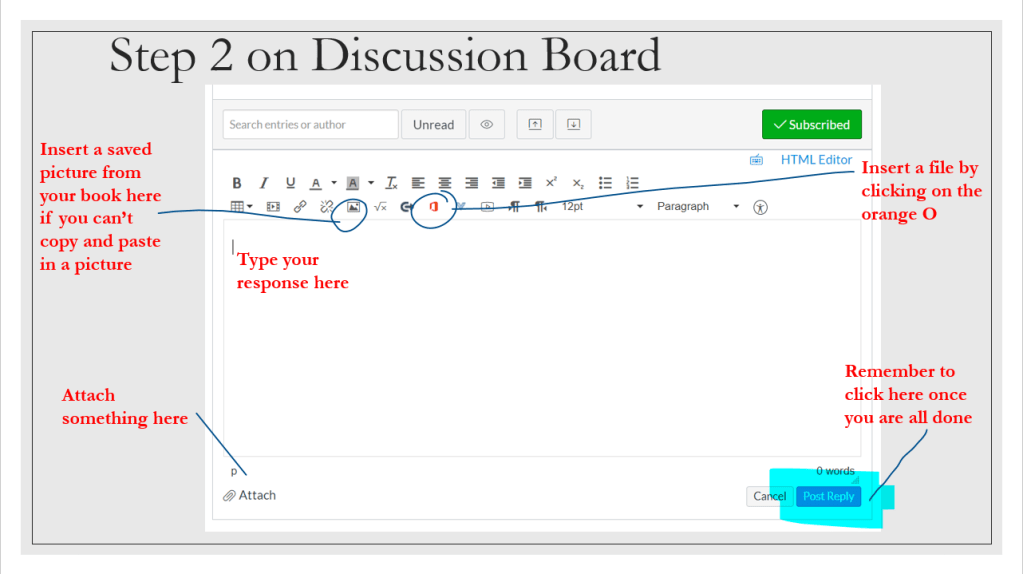
- Instead of an assignment, use a discussion board for students to post to
- Streamline what we should include for the mini-lesson, quick write, and book talk
- Offer a bibliography and book cover option
- Still ask us if you see something that should be shared
- Encourage more presenting (maybe even make it mandatory)
Based on the feedback, we were off to a strong start in February. Students began posting to a discussion board, and we had a few book talks each week. Unfortunately, this new plan was cut short with distance learning, so I am again revising.
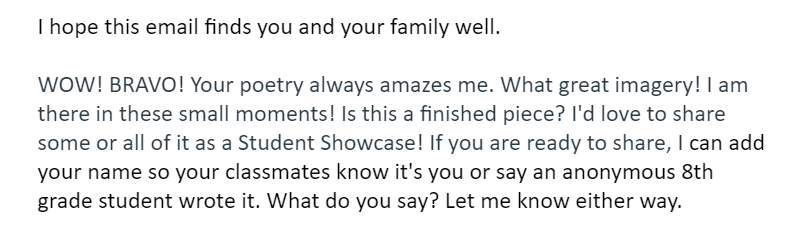
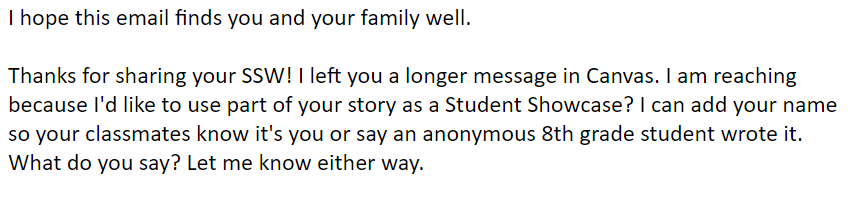
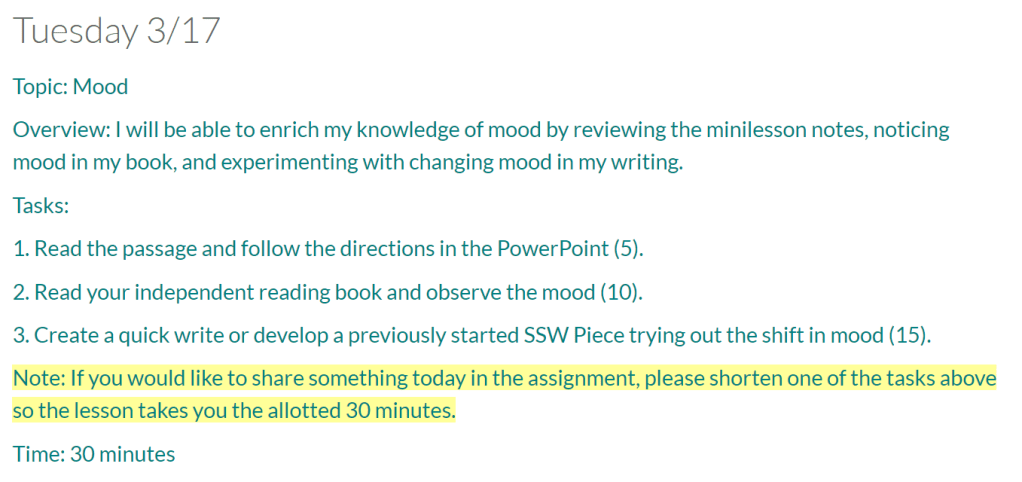
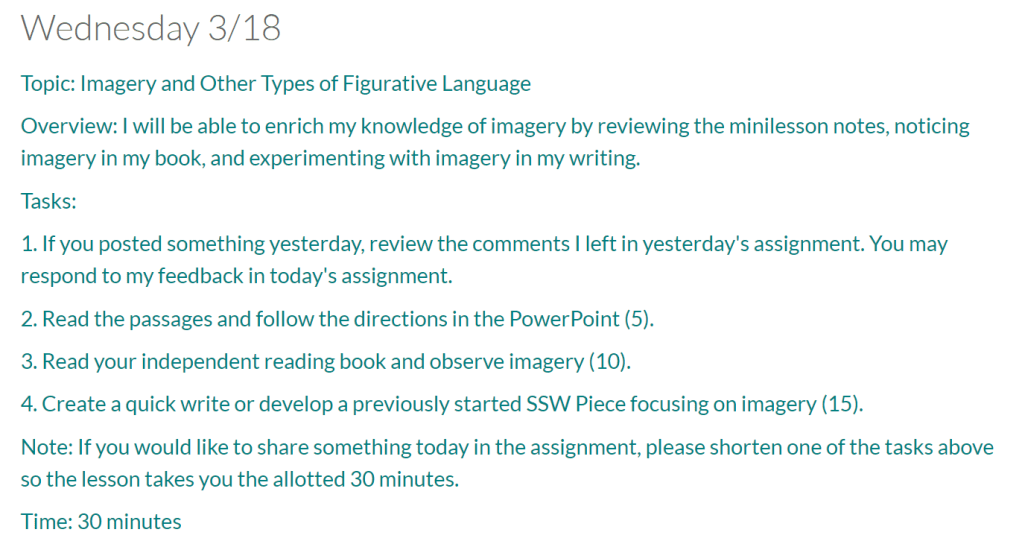
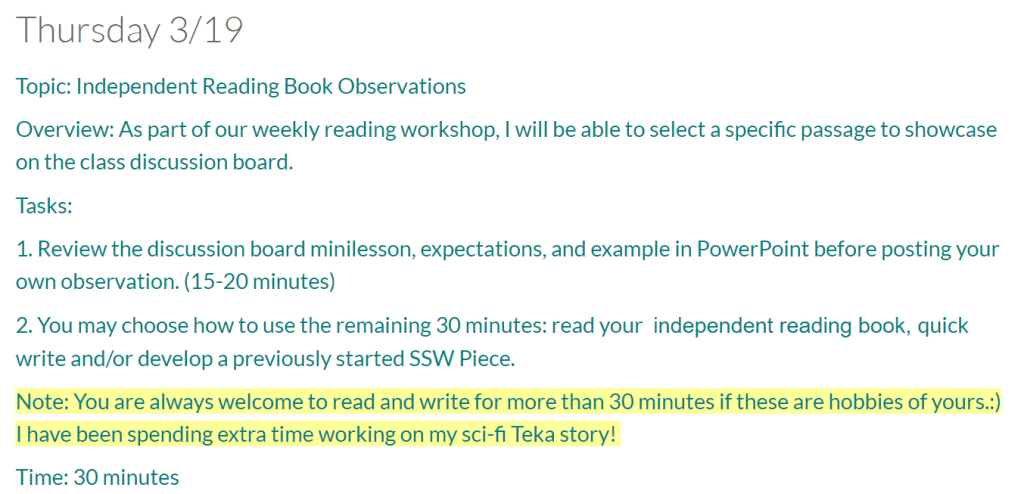
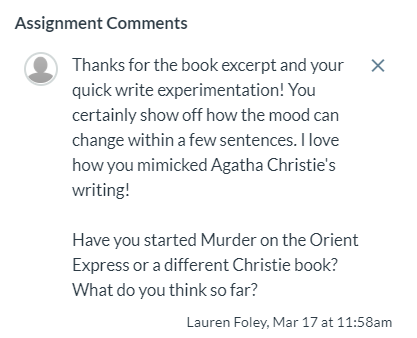
With distance learning, I am asking my eighth graders if they would like to share a specific assignment or discussion board post with the class. As students submit to our learning management site, I am emailing them. See my email template below. At the end of the week, I upload a PowerPoint with exemplar pieces and have a call for Student Showcase. I also used one student’s work for our imagery mini-lesson. Afterwards, two students commented on how awesome her example was. Most writing pieces are around 300-500 words.
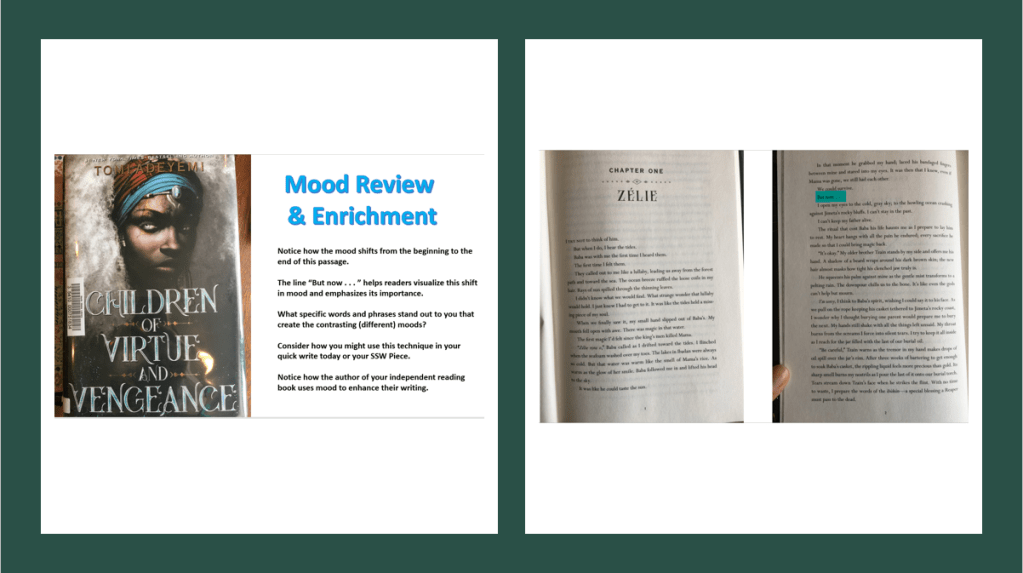
I also want to include students’ books. Students posted fantastic examples of craft and grammar from their independent reading books to our discussion board. Some students have even responded to their peers commenting on a specific technique that they like from the passage. Highlighting these examples as mentor texts and quick write inspirations will help students lead our class. Next week, I want to invite students to book talk their books through a PowerPoint with voice recording, flip grid, WeVideo, or other audio or recording program.
My goal, both in a physical and digital classroom, is to foster student reading and writing. Inviting students to take on leadership roles has motivated them, helped them to engage in conversations, and enabled their voices to be heard.
Pause: A Moment of Mindfulness
“The fireplace is on again!” Alex squealed as she entered our classroom.
I started projecting a fireplace video in November when the weather first turned cold. It was on in the background while we read. The crackling created ambient noise. As a note, I like hour-long videos because I can set it for the day and not think about it.
However, at a district-wide professional development day in early February, I spoke with a high school principal who advocated for mindfulness in the classroom. So, I decided to try something new.
With my eighth graders, I shared my own experiences with mindfulness as a student and explained to them that I wanted to give it a try with them. I reviewed guidelines and expectations:
- Once the fireplace video turned on and the lights went out, everyone needed to pause their conversations, remain still, avoid eye contact, and focus on a visual or close their eyes.
- The one exception I made was for students who had already begun reading. For some, reading is the most relaxing part of their day, and they wanted to soak up every minute. I also felt this gave students a way out if they did not want to participate in the moment of pause.
Since starting this class routine, students have been visibly calmer and more focused. When students enter the classroom, they say hi to their friends for about 30 seconds to a minute after the bell rings. This time serves two purposes. One, as a traveling teacher, I can connect my laptop to the board and take off my backpack. Two, students practice their speaking and listening skills.
After this time, the fireplace video is connected, and I turn off the lights. The conversation automatically stops. My students settle into this moment of pause: either looking at the fireplace or outside. Some students even close their eyes and place their heads on their desks. I invite students to breath, roll their shoulders, pause their minds. This one-minute pause resets my kiddos and gets them ready for my class. In their busy lives, they rarely find this space. When the time is up, I invite students to begin reading. Quietly and calmly, they transition to their independent reading time.
I had planned on asking my students to complete a survey at the end of the third marking period to get their feedback, but that is going to have to wait.
Now with distance learning, this pause has been placed on hold. I posted the fireplace video on our learning management site and invited my students to use the video before they read, write, or complete their other work. I am also inviting students to listen to the noises around them: birds chirping, the wind, the rain. I still want to invite my students to find the pause in their lives during these uncertain times.
Inspire: A Daily Image
“Mrs. Foley, remember the penny picture from last week? I based my SSW off of it.”
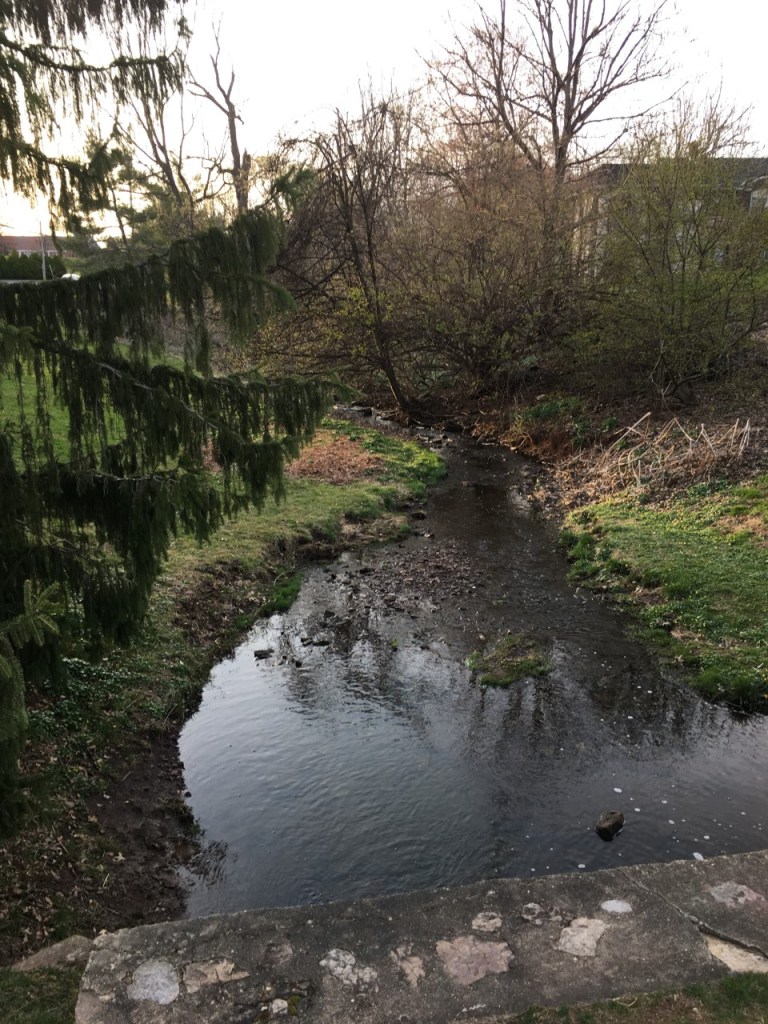
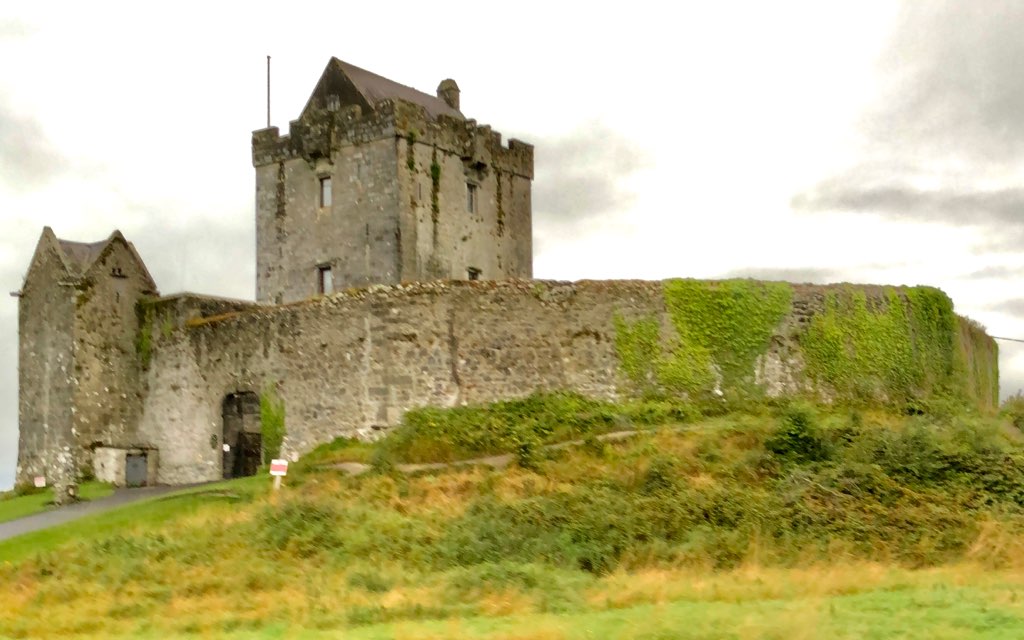
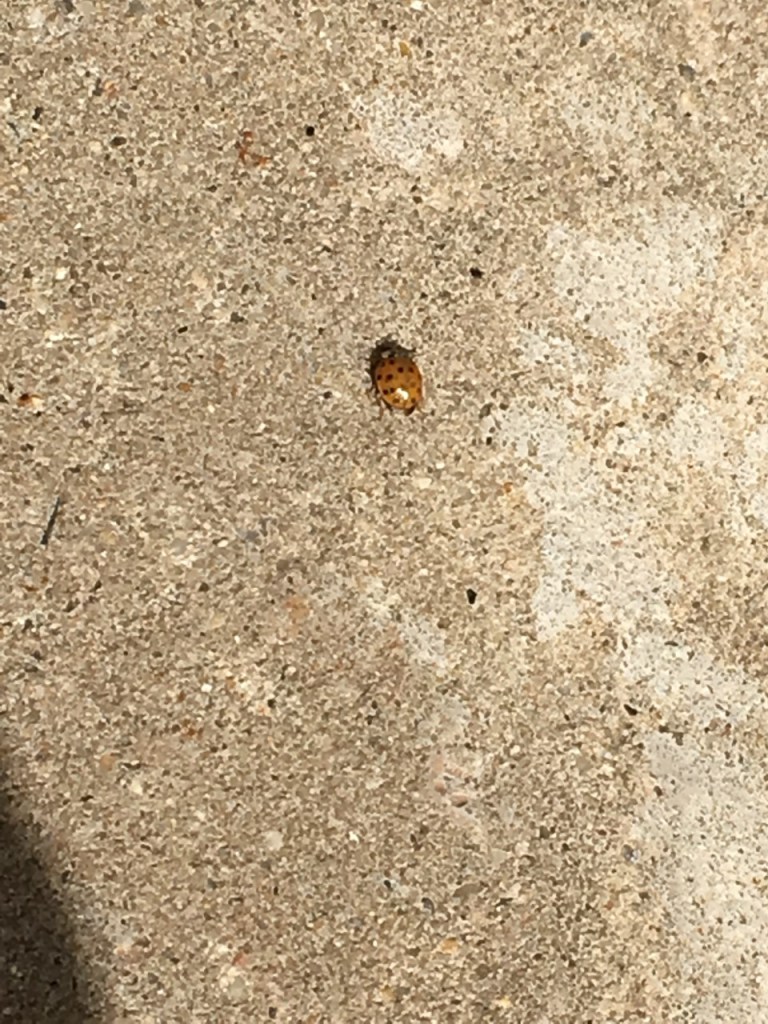
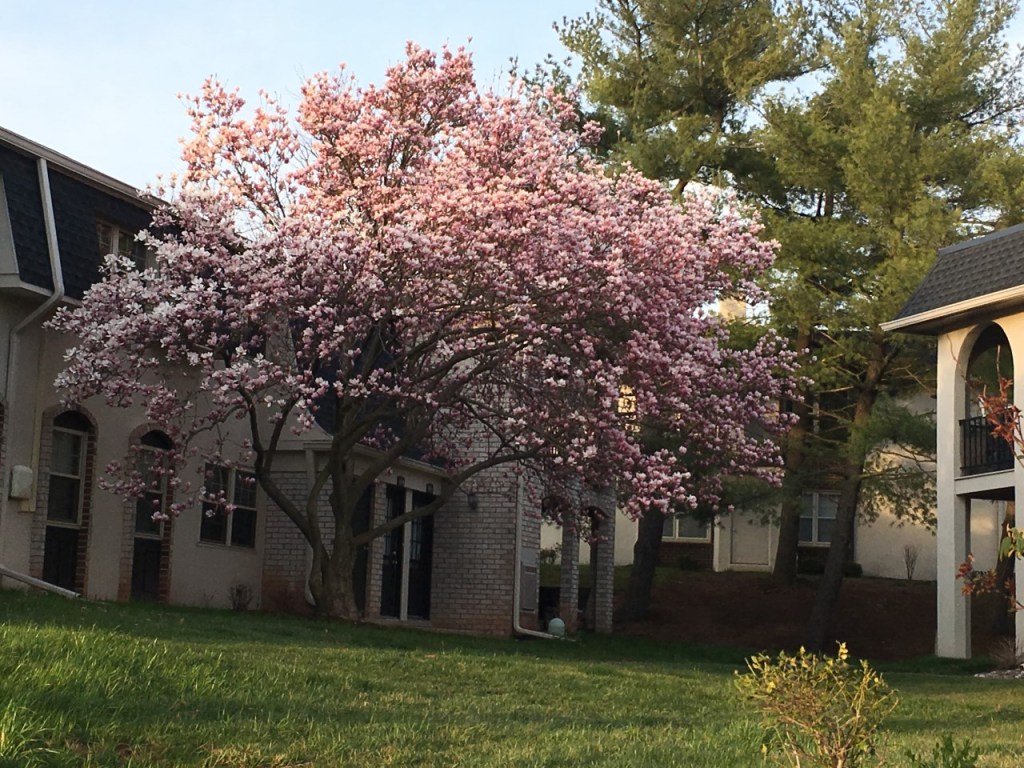
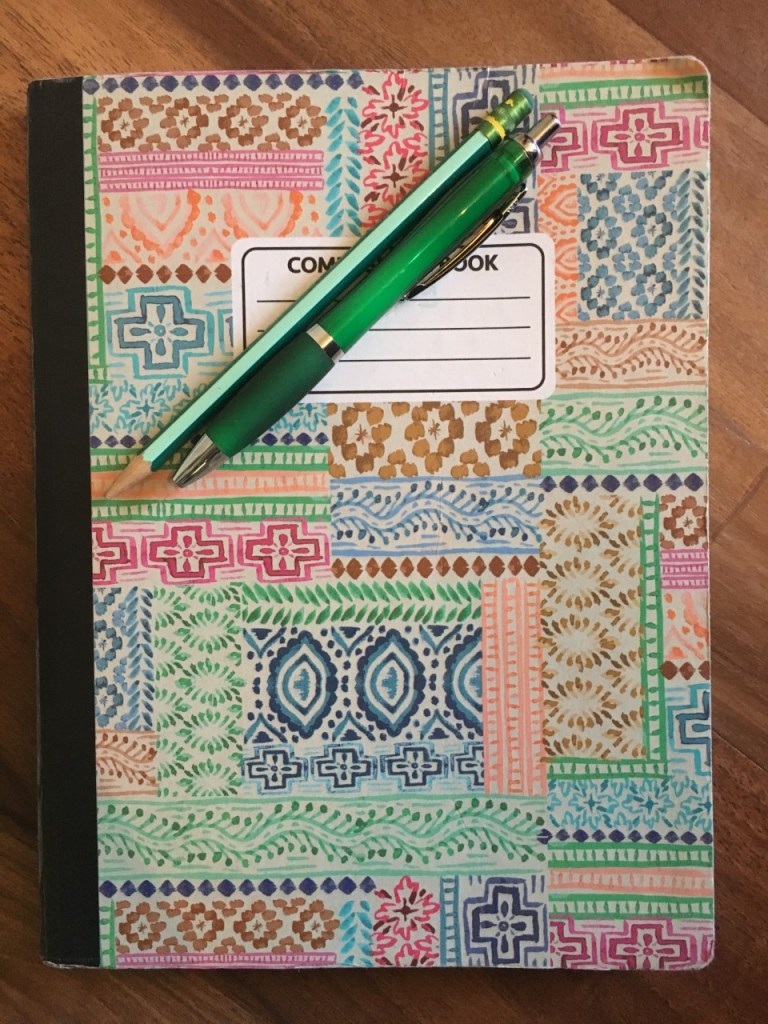
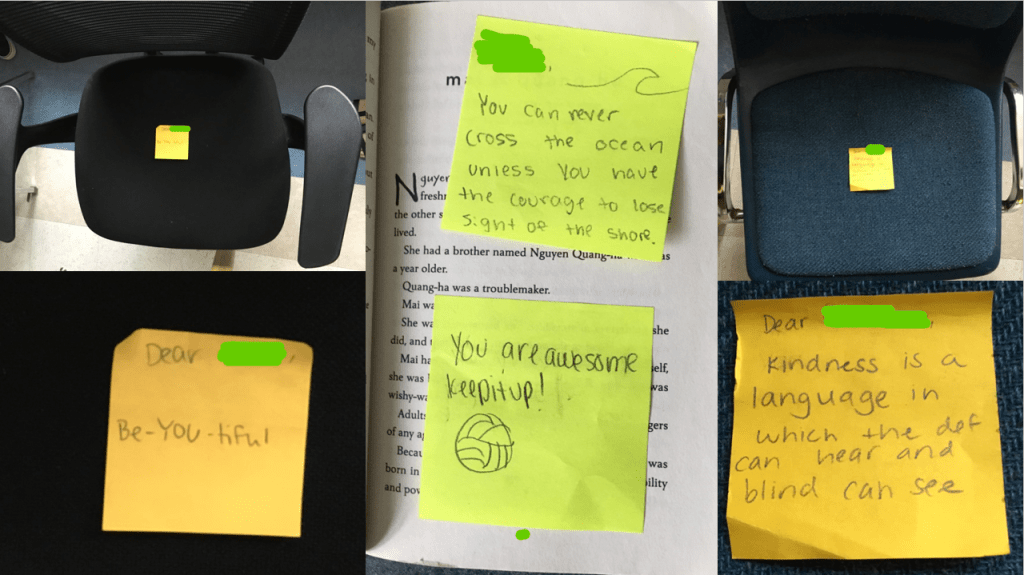
I started adding an extra picture each day to our learning management site. I heard of another teacher in my district sharing paintings by renowned artists and thought I might want to try something similar.
After reading time, our class transitions to a mini-lesson, quick write, or workshop time. As they open their laptops and take out their notebooks, many students keep reading, and others talk with their groups about their books. However, I wanted to offer another component to this transition time—a third option where students chat or write about a picture. This inspiration becomes another idea or line that students can return to as they quick write or develop a Self-Selected Writing (SSW) Piece.
Although my students may not be together with their table groups, I still want to offer this classroom practice. Perhaps it will inspire a quick write or SSW. Perhaps they will chat about it in one of our discussion boards or with their family and friends outside of our class.
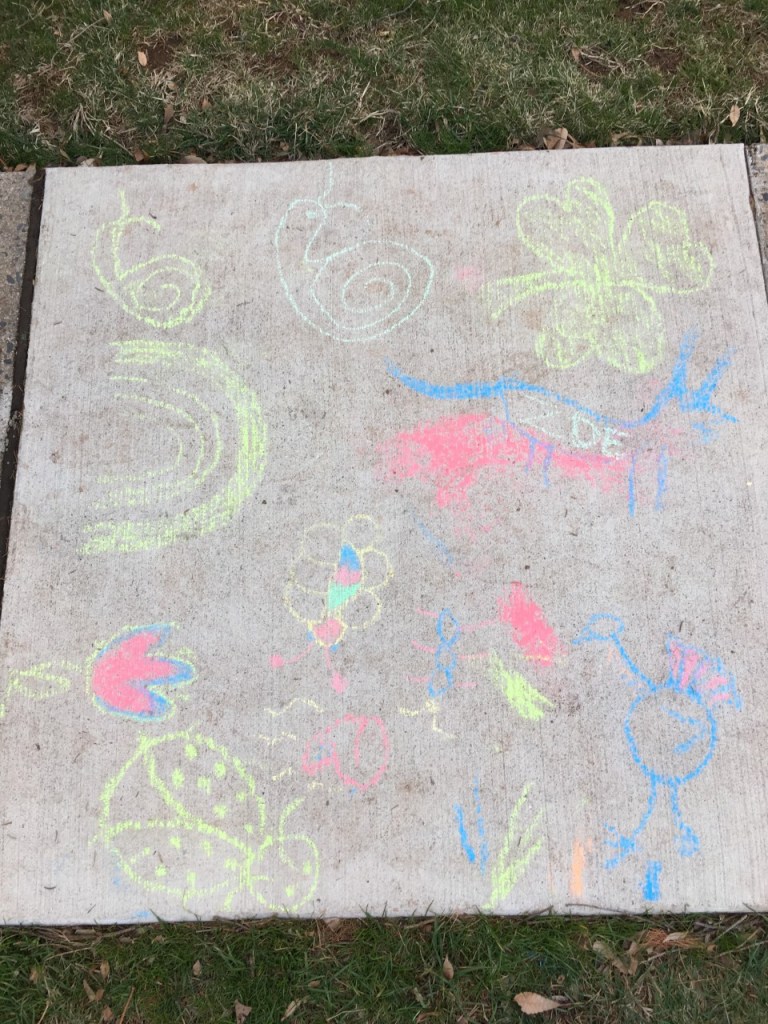
Below are some of the pictures I have taken and some of the quotes I have used.








Closing Thoughts
How is distance learning going for you? What tips or tricks have you learned? We would love to hear from you!
Next week I will share how I am collecting feedback from students to improve distance learning.












 write.share.connect