While I am quite certain my 7th graders have been introduced to and worked with punctuation marks of all kinds, they don’t seem to have mastered them. This fact started me on a quest for grammar activities which would help my students take ownership of their punctuation choices, while stoking the fires of interest and creativity. What better way than through poetry?
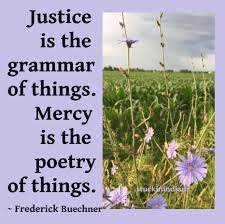
Justice – “based on or behaving according to what is morally right and fair.” I definitely want my students to use punctuation for the the purpose it was meant for, and I found a fabulous book of poems that creatively introduces readers to punctuation marks and how they can bring words to life. This is one of my favorites.
Semicolon Betty Franco
We’re called semicolons. Our job is to link. On the pages we’re quite friendly; We look like a wink.
We help different clauses that need to unite by linking them up to deliver more bite.
We’re like couplers for train cars lined up on a track; we keep sentences chugging, cutting all the slack.
First, we read the poem and notice the punctuation marks and what their purpose is in the writing. After linking this discussion to the work we have already done around the topic, students write their own poems using this as a mentor text. They enjoy writing the poems, and they get practice with the semicolon without feeling like they are being forced…a win – win.
Mercy – “compassion or forgiveness.” Although punctuation is very important to a writer and is essential to conveying a writer’s purpose and meaning, it isn’t set in stone when it comes to poetry.
I love to have my students write poetry so that they have an opportunity to use punctuation in non-conventional ways to express meaning. That is where the mercy comes in. Students have a difficult time “playing” with punctuation and trying things besides the “safe” option when writing poems. They often question their use or non-use of punctuation in poems and want my “blessing” that they are doing it “right.”
It is my hope that my students leave me as writers who know how to follow the “rules” as well as when it is appropriate to break them. Do you have some favorite ways you use poetry in your classroom? Please share in the comments below.
Rita DiCarne teaches 7th grade ELA at Our Lady of Mercy Regional Catholic School in Montgomery County and is a PAWLP Writing Fellow. You can read her personal blog at ritadicarne.com.
I remember, a spring day much like today, I learned to ride my bike. Taking off the training wheels, left me feeling unsteady. Somehow, the uneasiness pushed me forward, and eventually all of the teetering and balancing paid off. With lots of practice and my dad’s help—and patience—I found the freedom of the open road.
The last three weeks of teaching remind me of when my training wheels came off. I have been trying to find a balance between home life and work life while learning best practices of distance learning through virtual meetings.
With this new teaching format, I wanted to get my students feedback and see how things were going on their side of the computer screen. After one week, I asked them the following questions:
What assignment, activity, or aspect of English distance learning have you enjoyed the most? Why?
What assignment, activity, or aspect of English distance learning can I improve? How?
What is your preferred method of communication with me: Canvas assignment comments, Canvas discussion boards, email, Teams messenger, Teams phone call? Why?
What about distance learning has been the biggest hurdle?
What about English distance learning has been easy and/or have you enjoyed?
What about distance learning surprised you?
Is there anything else I should know?
I choose one specific area of feedback to focus on—preferred method of communication—because so much of our class depends on one-on-one and small-group conferencing.
Although I tried giving feedback on assignments in our learning management system (LMS), my students shared that it was difficult for them to find the feedback and respond to me. The first week ‘conferences’ ended up being mainly one-sided. Although email was a viable option, my students and I receive so many emails throughout the day that it would be difficult to keep track of so much mail. However, they liked how email made it easier to have a ‘conversation.’
I was not sure what to do with their feedback. I knew Microsoft Teams was an option for virtual meetings, but the chat feature would not provide the one-on-one interaction my students and I needed. While walking one beautiful day, I came up with the following idea: create one-on-one discussion boards.
In school, I use discussion boards for whole-class sharing and small-group publication, but I never used them for one-on-one conferencing. If you have a discussion board feature in your LMS, check to see if you can create something similar. Instead of creating groups with multiple students, I created a discussion board with only one student in it. The discussion board essentially works like text messages, offering a place for students to chat with me during our class period and throughout the week. There is a reply button that we both use to keep the conversation going. We meet virtually on the discussion board, and I can provide differentiated instruction. I have answered questions, clarified directions, offered feedback, and suggested books. The discussion board is the closest thing to re-creating our one-on-one conferences. And, they are working! During a second round of feedback, students shared that they like being able to talk to me without the entire class seeing what they said. Their answers also confirmed that they like the discussion boards because they offer live feedback from me and are easy to find and reply to. All in all, these discussion boards have become a reliable, ongoing source of communication.
For next week, I am working on re-creating students’ small-group and table-group conversations through Microsoft Teams. Students are filling out surveys that ask them whether they would like to have a small-group chat about their writing piece or book or have time to share with their table group. I hope this new tool helps students collaborate and receive additional feedback.
Many days I feel like a first year teacher again. So many aspects of distance learning are brand new. In theory they work, but I have to figure out what works best for my students and for me. Getting their feedback on conferencing and discussion boards helped me to find a sense of certainty amid the unknown.
I am trying to embrace the unsteadiness of distance learning like the first time I rode my bike without training wheels. Through it all, I keep reminding myself to experiment and breathe. Chatting with my students, reading their writing pieces, and talking about books has brought me joy during a crazy time. I owe this happiness to my students’ honesty and the one-on-one discussion boards. I hope you are finding the right technological tools for you and your students.
Call for Distance Learning Blog Posts
PAWLP would like to hear from you! What digital programs are you using? What does distance learning look like for you, your students, and your school district? What is bringing you joy? What technological tools are you using?
Please email the PAWLP blog if you are interested or would like more information.
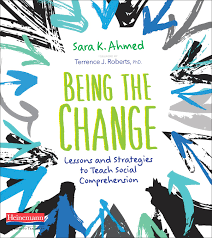
Sara K. Ahmed offers an equitable approach to fostering social comprehension in the classroom through her book, Being the Change: Lessons and Strategies to Teach Social Comprehension. Ahmed offers a personal approach to teaching social comprehension through the lens of a Muslim American identity. The introduction of this text is not one to be skimmed over. Ahmed gets the reader ready to face their own social comprehension and the work ahead by providing essential questions and guiding principles to reflect upon. As she states, “we have an obligation to make kids feel visible” (2). Now, more than ever, we have an obligation to create a space that feels safe and accepting for all of our students, which is the focal point of this text. The text guides a teacher and class through an entire school year, offering the progression of teaching social comprehension, while providing detailed lesson plans and mentor texts as resources in chapters one through five. In chapter six, the text is concluded with thoughtful reflection and reminders with how to proceed into the future and the importance of celebrating identity.
Ahmed’s personal voice is strong and passionate about the topic in this easy to read book. She offers several mentor texts and resources to get a teacher started with incorporating lessons on identity into the classroom. This is a great tool for a beginning teacher, or a veteran teacher who is looking to incorporate social comprehension into their curriculum. Ahmed does not fall short in offering a plethora of resources including: picture books, poetry, short stories, short story anthologies, novels, nonfiction, and videos. All of these resources are equipped with appropriate lessons that are detailed and spelled out for the educator. The text is embedded with scripted dialog, or “teacher talk,” so if you are someone who would like this as an support, or are not yet comfortable with social comprehension, it is available to you. However, it is easy to skim over due to the different font and color, so if you prefer just to focus on the lesson itself, this can be easily done.
The versatility of the lessons and mentor texts makes this an appealing read for teachers K-12. As mentioned before, Ahmed leaves no stone unturned, and packs the book with mentor texts for all levels. In chapter one, Ahmed informs the reader how to “affirm our identities” through identity webs. This lesson begins with a mentor text in order to give the students a model of what an identity web is and how to create it. Then, the students are in charge of creating a definition of identity. Together they brainstorm and jot down words that come to mind on a giant piece of chart paper. From there, the work of social comprehension can begin. The goal of an identity web is to get to know your students while also starting to bridge connections between the kids and yourself. It is a way to initiate the process of learning about each other in a safe space. Ahmed thinks of just about everything with her lessons, including a “follow-up” section and an “addressing tensions” section to coach you, the teacher, through difficult situations that may arise in the classroom.
Overall, Being the Change would be a strong book to add to your collection of professional development books. Ahmed’s passion about social comprehension resonantes through each page and guides any reader through activities that are ready for the classroom. As reviewers, Karen and Danielle are in very different stages in their careers. Danielle is a first year teacher. She teaches 7th grade English Language Arts, and was able to try these activities in her own classroom. She started at chapter one and is now on chapter three, and plans to continue progressing through the lessons until the end of the school year. Her biggest takeaway is that even if you do not follow each lesson exactly, it is about making a safe space for identity and differences. Karen has been teaching for seven years, as a reading specialist. While she teaches small groups and does not have a classroom of her own, she realizes the importance of having ongoing conversations around social comprehension. Karen highly recommends Chapter 2 – Listening with Love. She agrees with Ahmed’s beliefs that by teaching active, empathic listening real communities are built which strengthen real learning.
I’ve been thinking about visibility and invisibility lately. What comes to your mind when you hear the word “invisible?” I polled my family about this, and here are a few of the responses I received: empty air; silence; a kind of clear, transparent layer, like plastic wrap; and, the most surprising response – Willy Widdershins from Harry Potter.
I was reflecting about how some of the things that we think of as invisible can be peaceful, comforting, magical or spiritual. Others can be mysterious and frightening, like this virus. How can we explain the current situation to children, whether it’s our students or those in our households? It depends on their age and developmental level, of course. There’s guidance from departments of education, health departments, and many other sources, the best of which is parents’ own judgment of what their child can process.
Currently, we’re all trying to avoid something that’s invisible, but we see the signs of it around us. Life has changed in countless ways. We’ve all seen microscopic images of Covid-19, but we can’t see it with the naked eye. Is that what makes it hard for so many to fully conceptualize what it is, and how it spreads, and the havoc it creates?
We might be searching to find balance for ourselves, our immediate family, our extended family, our students. For many, it is all of the above. We find ourselves navigating through an onslaught of information, fear, anger, grief, hope, and action, sometimes all at once. I was reflecting about the role that books can play in this quest for balance, and I came upon these words of wisdom on Twitter:
No lie, my 2 yr old just said “books are bandaid, I need to feel better
#frst poem
Yes, the two-year old daughter of Matthew Kay (author of Not Light, but Fire) is requesting a book for healing. I see the poetry in that request as well. As adults, we sometimes use the word “bandaid” in a disparaging way, implying that it’s a superficial response to a problem. For children, though, a bandaid, carefully and lovingly applied where it’s needed, can be enormously comforting.
In that spirit, I began to think about and search for books that might help children to engage with the concepts of visibility and invisibility, and healing. I wanted to share a few of them. First, I discovered Tiny: The InvisibleWorld of Microbes, written by Nicola Davies and illustrated by Emily Sutton. I am an admirer of Nicola Davies’ work, and this very relevant book provides a child-friendly exploration of a complex topic. It could be helpful for any child who would appreciate a clear, non-frightening introduction to the world of microbiology.
I was also thinking about different ways to explore visibility and invisibility beyond the world of microbes, and more in the sense of what we see and don’t see, because of our physical perspective. That brought me to a series of books written by Kate Messner and illustrated by Christopher Silas Neal: Over and Under the Pond, Up in the Garden and Down in the Dirt, and Over and Underthe Snow. These books take children on journeys to the hidden worlds that are crucial parts of our ecosystem. They could serve to open up conversations and learning about looking more deeply into the natural world around us.
Finally, my thoughts turned more directly to healing. A book that came to my attention from a post from Jess Lifshitz on Twitter (@Jess5th), is The Invisible String, written by Patrice Karst and illustrated by Joanne Lew-Vriethoff. This book helps young children to deal with various forms of loss through the metaphor of a string that connects us with those we love. It might provide the comfort that many children need as they adapt to the enormous changes in their lives. In the comments section, you’re invited to share books, or other texts and resources that are helping to meet the needs of your students, their families, and yourselves.
In addition, as we enter National Poetry Month, we welcome posts from Fellows about how you are sharing poetry with your students during this time. More information will be coming via the PAWLP Constant Contact about how to contribute if you choose to. We hope to hear from you.
Janice Ewing has been a reading specialist and literacy coach, and an adjunct instructor in the Reading Specialist Program at Cabrini University. She is currently serves on the Advisory Board of the Pennsylvania Writing and Literature Project. She also values her memberships and participation in ILA, KSLA, NCTE, PCTELA and CEL. She and her colleague, Mary Buckelew, are the authors of Action Research for English Language Arts Teachers: Invitation to Inquiry (Routledge, 2019).
Here are three more classroom practices that I am adapting for distance learning.
Influence: Student Showcase
“What book is that from: I want to read it!” a student asked at the end of our quick write time.
I responded, “Well . . . it’s actually written by one of your peers from sixth period.”
“Wow a student wrote that! Tell them I want to read the story when they are finished.”
Similar reactions have been happening throughout the school year. Students are acknowledging and congratulating their peers on exemplar writing. Book talks are increasing conversations and To Read Next lists. Mentor texts and quick writes are inspiring new writing pieces. While there were successes with the student leadership opportunity, I have revised many procedures since I first launched and wrote about this idea in September 2019.
After modeling student leadership for my students, I launched an assignment asking all of them to submit either a mentor text, quick write, or book talk. I ended up with too many submissions: I did not have enough days in a month—or two—to share their responses and apply them in a meaningful way within our class. In some ways, I still felt like the gatekeeper of knowledge instead of handing over the reins to my students.
So, I asked them for feedback in a Forms survey and conducted whole-class and small-group interviews to learn more. Here were the takeaways:
Call this Student Showcase instead of Student Leadership Opportunities (the alliteration is catchy)
Have two categories: book talks and writing inspirations
Instead of an assignment, use a discussion board for students to post to
Streamline what we should include for the mini-lesson, quick write, and book talk
Offer a bibliography and book cover option
Still ask us if you see something that should be shared
Encourage more presenting (maybe even make it mandatory)
Based on the feedback, we were off to a strong start in February. Students began posting to a discussion board, and we had a few book talks each week. Unfortunately, this new plan was cut short with distance learning, so I am again revising.
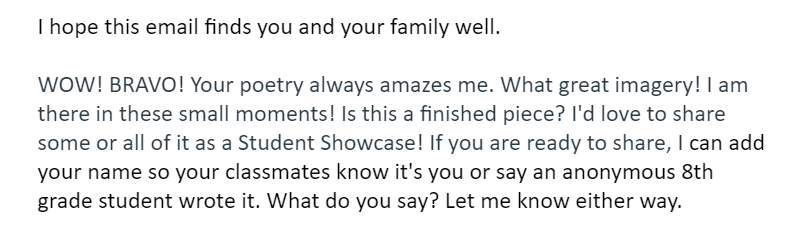
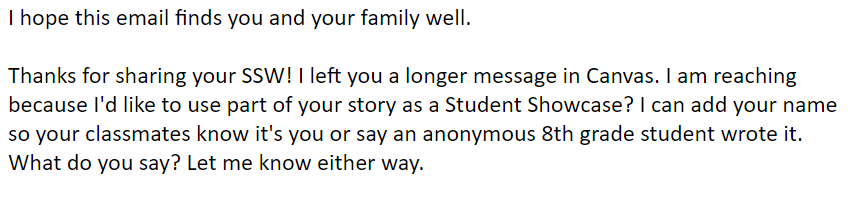
With distance learning, I am asking my eighth graders if they would like to share a specific assignment or discussion board post with the class. As students submit to our learning management site, I am emailing them. See my email template below. At the end of the week, I upload a PowerPoint with exemplar pieces and have a call for Student Showcase. I also used one student’s work for our imagery mini-lesson. Afterwards, two students commented on how awesome her example was. Most writing pieces are around 300-500 words.
I also want to include students’ books. Students posted fantastic examples of craft and grammar from their independent reading books to our discussion board. Some students have even responded to their peers commenting on a specific technique that they like from the passage. Highlighting these examples as mentor texts and quick write inspirations will help students lead our class. Next week, I want to invite students to book talk their books through a PowerPoint with voice recording, flip grid, WeVideo, or other audio or recording program.
My goal, both in a physical and digital classroom, is to foster student reading and writing. Inviting students to take on leadership roles has motivated them, helped them to engage in conversations, and enabled their voices to be heard.
Pause: A Moment of Mindfulness
“The fireplace is on again!” Alex squealed as she entered our classroom.
I started projecting a fireplace video in November when the weather first turned cold. It was on in the background while we read. The crackling created ambient noise. As a note, I like hour-long videos because I can set it for the day and not think about it.
However, at a district-wide professional development day in early February, I spoke with a high school principal who advocated for mindfulness in the classroom. So, I decided to try something new.
With my eighth graders, I shared my own experiences with mindfulness as a student and explained to them that I wanted to give it a try with them. I reviewed guidelines and expectations:
Once the fireplace video turned on and the lights went out, everyone needed to pause their conversations, remain still, avoid eye contact, and focus on a visual or close their eyes.
The one exception I made was for students who had already begun reading. For some, reading is the most relaxing part of their day, and they wanted to soak up every minute. I also felt this gave students a way out if they did not want to participate in the moment of pause.
Since starting this class routine, students have been visibly calmer and more focused. When students enter the classroom, they say hi to their friends for about 30 seconds to a minute after the bell rings. This time serves two purposes. One, as a traveling teacher, I can connect my laptop to the board and take off my backpack. Two, students practice their speaking and listening skills.
After this time, the fireplace video is connected, and I turn off the lights. The conversation automatically stops. My students settle into this moment of pause: either looking at the fireplace or outside. Some students even close their eyes and place their heads on their desks. I invite students to breath, roll their shoulders, pause their minds. This one-minute pause resets my kiddos and gets them ready for my class. In their busy lives, they rarely find this space. When the time is up, I invite students to begin reading. Quietly and calmly, they transition to their independent reading time.
I had planned on asking my students to complete a survey at the end of the third marking period to get their feedback, but that is going to have to wait.
Now with distance learning, this pause has been placed on hold. I posted the fireplace video on our learning management site and invited my students to use the video before they read, write, or complete their other work. I am also inviting students to listen to the noises around them: birds chirping, the wind, the rain. I still want to invite my students to find the pause in their lives during these uncertain times.
Inspire: A Daily Image
“Mrs. Foley, remember the penny picture from last week? I based my SSW off of it.”
I started adding an extra picture each day to our learning management site. I heard of another teacher in my district sharing paintings by renowned artists and thought I might want to try something similar.
After reading time, our class transitions to a mini-lesson, quick write, or workshop time. As they open their laptops and take out their notebooks, many students keep reading, and others talk with their groups about their books. However, I wanted to offer another component to this transition time—a third option where students chat or write about a picture. This inspiration becomes another idea or line that students can return to as they quick write or develop a Self-Selected Writing (SSW) Piece.
Although my students may not be together with their table groups, I still want to offer this classroom practice. Perhaps it will inspire a quick write or SSW. Perhaps they will chat about it in one of our discussion boards or with their family and friends outside of our class.
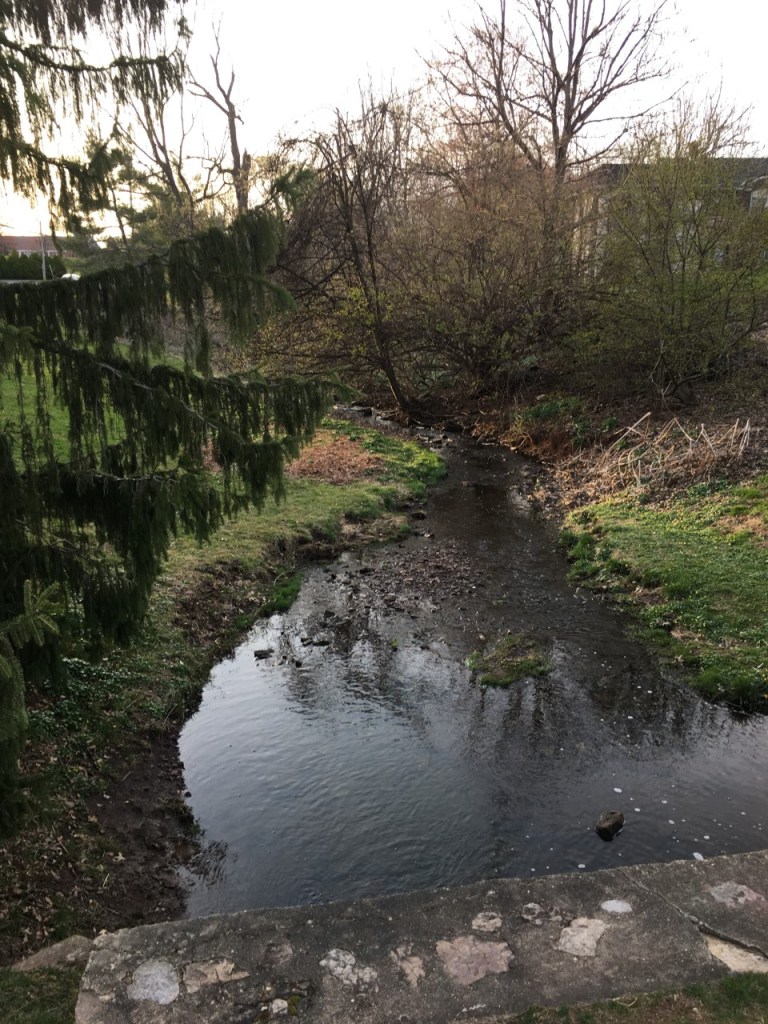
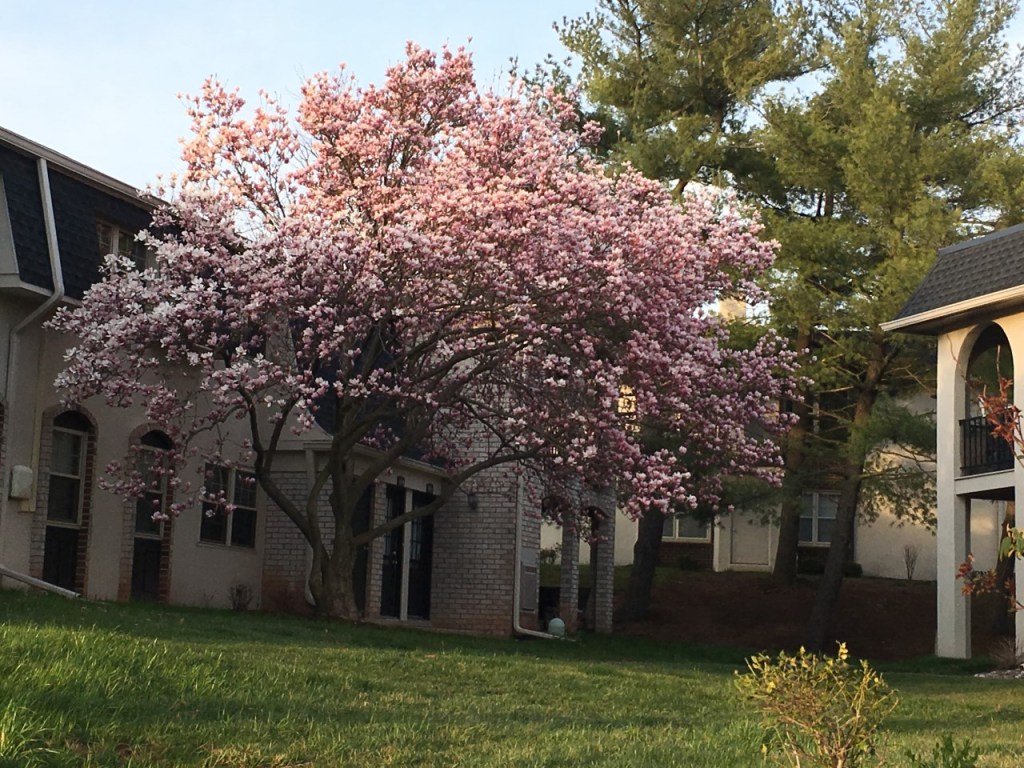
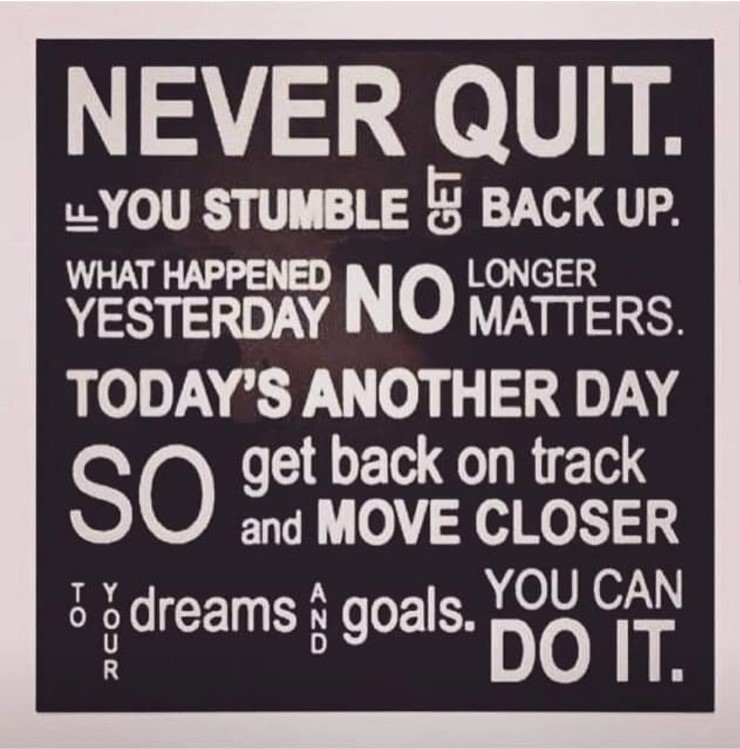
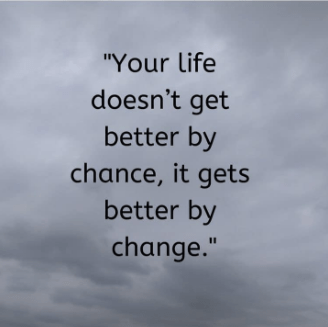
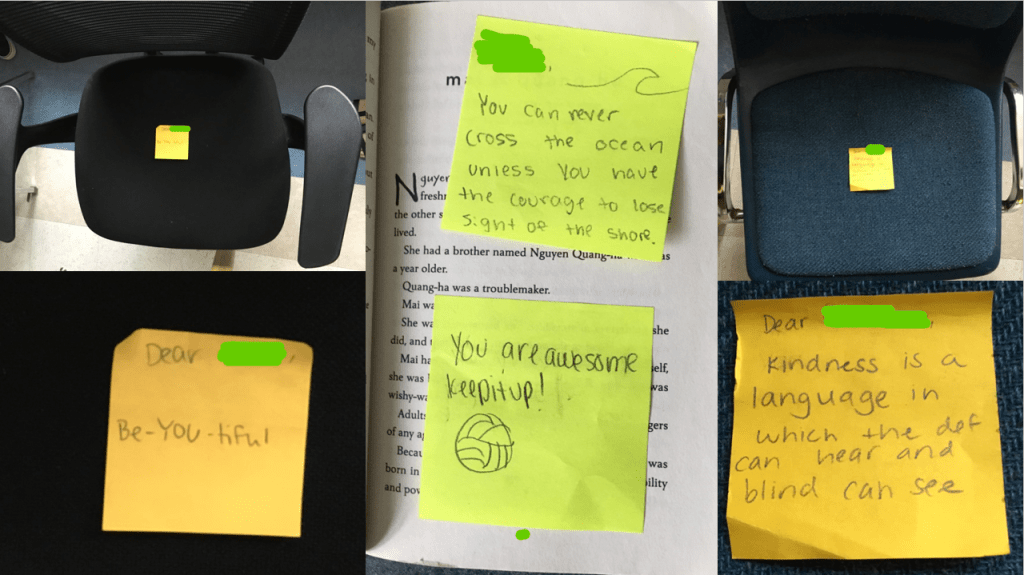
Below are some of the pictures I have taken and some of the quotes I have used.
Closing Thoughts
How is distance learning going for you? What tips or tricks have you learned? We would love to hear from you!
Next week I will share how I am collecting feedback from students to improve distance learning.










 write.share.connect