
Approaches to Argument in an Era of Alternative Facts
by Tricia Ebarvia
Given the state of today’s political discourse and the complex challenges presented by social media sharing (and over sharing), it’s more important now than ever for teachers to take an active role in helping students navigating the information and misinformation they encounter every day. At this point, many of us might be already familiar with the Stanford study published a few months ago that found that many students cannot discern the difference between stories that are real and those that are not. As the Washington Post reported, “Some 82% of middle-schoolers couldn’t distinguish between an ad labeled “sponsored content” and a real news story on a website.”
And it isn’t just students either. Even well-educated adults fall for fake news stories. Just this morning, on my Facebook feed, a friend posted a news story that turned out to be false (someone in the comments had done a fact check). Unfortunately, too often fake news sites have become adept at posing as legitimate sources. Now, when I see a news story from an unfamiliar source, the first thing I do is try to determine where it’s coming from. As literacy teachers, we can no longer just teach our students the traditional Rs of reading and writing. We need to also teach our students about third R—Rhetoric.
Rhetoric is the study of persuasion, and today, there are plenty of individuals, friends, family, interest groups, politicians, corporations, and any number of organizations trying to persuade our students—to buy this, believe that, do this, don’t do that. Information that seems purely objective can be interpreted (or manipulated) in the service of persuasion. Even the youngest students can (and should) be taught to analyze text to look for biases. Just a few weeks ago, my six-year-old came home and told me about how his class was learning the difference between fact and opinion. Of course, teachers have always done this work, but the times seem to call for more. So how? How can we teach our students be critical thinkers, especially of information that might feed into our own biases? Read more
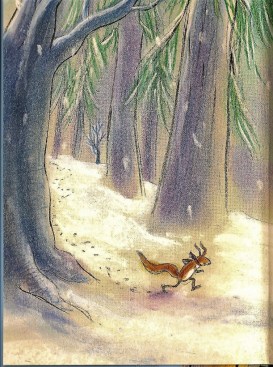 Who Done It books help young readers and writers make inferences and draw conclusions. The opening pages of The First Case by Ulf Nilsson, a celebrated Swedish children’s author, illustrated by Gitte Spee, generates the questions of why is squirrel hurrying through the deep snow and what is the destination. The accompanying text arouses interest…” Wretched thieves!” cried a small creature as it scurried through the snow. “Thieving wretches!” It was late in the evening and the whole forest was asleep. It was snowing softly and beautifully. “Monstrous plunderers!” called the little animal in a trembling, squeaky voice. “Plundering monsters!”
  In their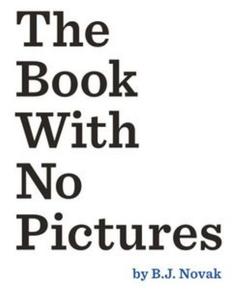




 write.share.connect